

Flat-Yard Pool Drainage in Los Angeles: Infiltration vs. Tightline Systems
Los Angeles flat yards are perfect for sleek, modern pools, but they can be tricky when it comes to drainage. With long dry stretches followed by sudden heavy rain, water has nowhere to go on a flat lot unless it is carefully planned. A smart pool drainage system in Los Angeles keeps your backyard from turning into a shallow lake, protects your pool shell and decking, and keeps surfaces safe to walk on.
In this guide, we will talk through how drainage really works in flat backyards. We will look at infiltration systems, tightline systems, permeable decking, and on-site stormwater capture, and how they all fit together. The goal is simple: to help you understand what works where and why, so you can build a pool and outdoor space that looks clean and modern and also performs when the first big storm hits.
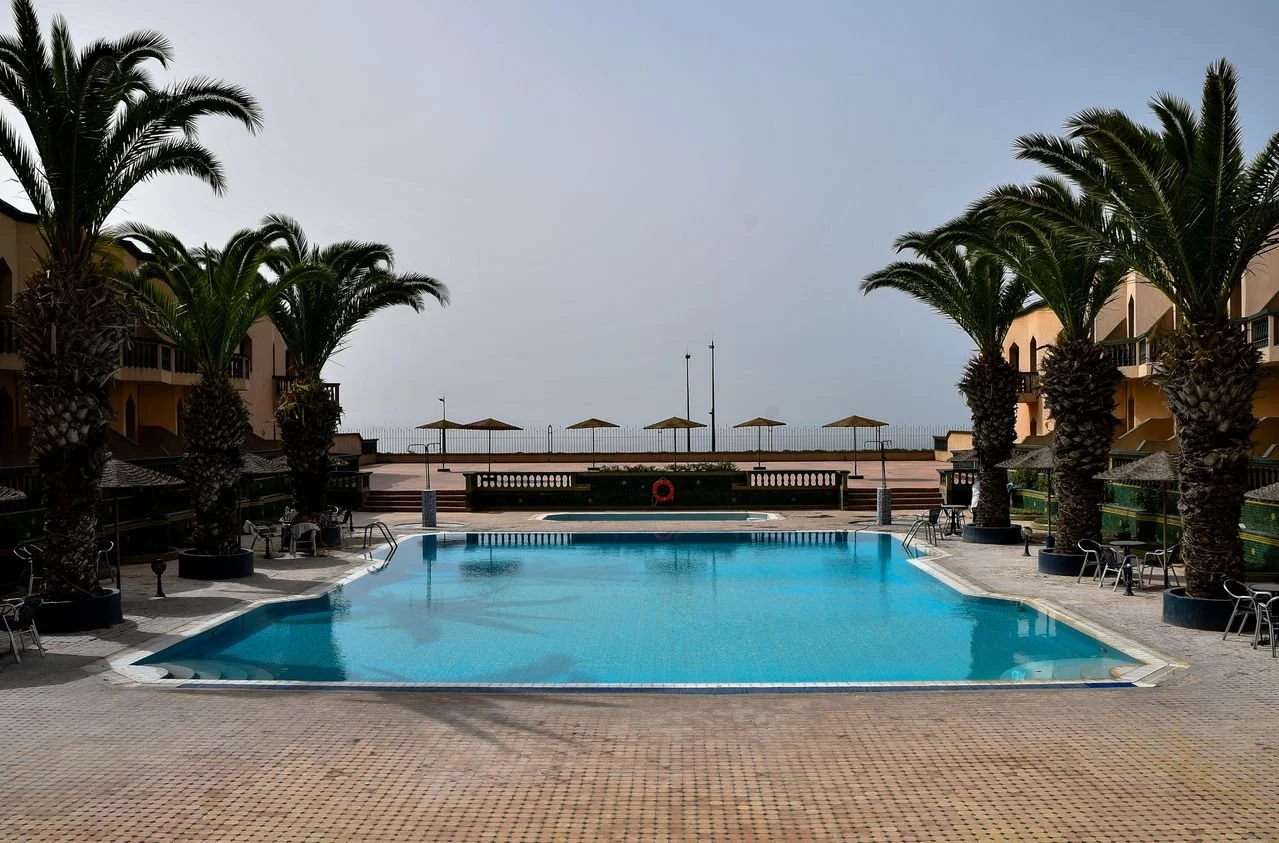
Build-Ready Backyards That Do Not Flood or Fail
Flat yards feel like a blank canvas for a pool, spa, outdoor kitchen, and lounge areas. The challenge is that water does not naturally flow away; it sits. Without a plan, that can mean:
Standing water around the pool
Slippery decks and algae growth
Pressure on pool and spa structures
Cracked concrete and movement over time
A good drainage design collects water from the pool deck, planting areas, roof downspouts, and hardscape, then sends it to a safe place. For a pool owner, that means fewer headaches, longer-lasting finishes, and a backyard that is usable even right after a storm.
Flat Los Angeles yards need more than a few random drains. They need a complete drainage concept that is matched to the soil, layout, and local rules. That is where choices like infiltration vs tightline, and permeable vs solid decking, really matter.
How LA Codes and Soil Types Shape Your Drainage Plan
In Los Angeles, drainage is not just about comfort; it is also about rules. Local codes often:
Limit how much water you can send straight to the street
Restrict draining water onto a neighbor’s property
Require on-site stormwater capture for new builds and major remodels
For many new pool projects, especially on flat lots, the city wants to see an engineered solution for managing runoff. That often means some level of capture or infiltration on your own property.
Soil plays a big part in what will work:
Clay-heavy areas drain slowly; water tends to sit on the surface
Older neighborhoods may have compacted fill that does not absorb well
Coastal pockets can have sandier soil that drains faster
Layer on our local climate: long hot months that bake the ground hard, then short bursts of strong rain. When dry soil finally gets soaked, it can either absorb water or repel it for a while and create fast runoff. Planning drainage before summer pool construction is smart, so everything is in place when the first serious storms arrive.
Infiltration Vs Tightline Systems in Flat Los Angeles Yards
When we talk about a pool drainage system in Los Angeles, we usually start with two main ideas: infiltration and tightline.
Infiltration systems let water soak into the ground on your property. Common options are:
Dry wells
Infiltration trenches
Gravel galleries or chambers under the yard or deck
These work well when:
The soil can take water at a reasonable rate
There is room in the yard for underground storage
Street discharge is limited or hard to permit
You like the idea of keeping more water on site
Tightline systems are solid pipes that move water from drains directly to a specific outlet, such as a legal curb outlet or approved discharge point. These are safer when:
You have dense clay or very slow-draining soil
The water table might be high
The lot is small, with close property lines
You want to avoid adding extra moisture to the soil near structures
On many flat Los Angeles yards, a hybrid approach makes the most sense. For example, we may:
Use surface drains across the deck
Send normal storms into an infiltration trench or dry well
Add a controlled overflow that connects to a tightline for extreme events
Include a sump pump in tougher sites to keep low points from backing up
This way, everyday rain is handled quietly on site, but rare intense downpours still have a safe escape path.
Permeable Decking and Hardscape That Work for You
The surfaces you walk on can help manage water instead of fighting it. Permeable and semi-permeable options include:
Permeable pavers with joints that let water pass through
Open-joint decking systems around the pool
Gravel bands along edges and around planters
Planting beds that double as mini infiltration zones
The magic is not just the surface; it is what happens under it. Under permeable pavers, for example, we plan for:
A stable, open-graded base rock that stores water
Enough depth so water can sit and slowly soak into the soil
Gentle micro-slopes so water moves where we want without feeling slanted
This lets us keep clean lines and modern styling while quietly directing water underfoot. Around outdoor kitchens, fire features, and lounge areas, we can hide drainage details inside the design, so you notice the look, not the drains.
On-Site Stormwater Capture Around Your Pool
Stormwater capture is about holding onto more of the water that lands on your property instead of rushing it off. Around a pool, that can include:
Subsurface basins that store water underground
Rain gardens that collect and soak in runoff from decks and roofs
Cisterns that save water for irrigation
Decorative dry creek beds that are pretty in dry weather and functional in rain
For flat yards, placement is key. We look to:
Keep capture zones slightly lower than the pool and structures
Provide overflow routes that do not aim water at foundations or retaining walls
Avoid pooling near equipment pads or outdoor living areas
Done right, you get practical benefits too, like less stress on city storm drains, less erosion, fewer awkward conversations with neighbors about runoff, and more free water for your landscaping.
Smart Swim Design Strategies for Flat LA Backyards
When we start a new flat-yard project, we do not wait until the end to think about drainage. It is built into the design from day one. Our process usually includes:
Walking the site and noting how water currently behaves
Checking soil type and any visible signs of poor drainage
Reviewing local drainage requirements and limits for that area
Bringing in engineering support when the city or conditions call for it
Pool elevation, deck slopes, planter locations, and material choices all work together as a single system. For example, we might tilt a large deck just enough so water flows to hidden slot drains that feed a gravel gallery by a planting bed. Or we might use slightly raised planters and low walls to steer water toward a rain garden.
Homeowners often want:
A sleek modern look with clean lines
Safe, kid-friendly lawn space
As few visible drains and grates as possible
We design with that in mind, tucking drains into expansion joints, using linear drains that blend with tile patterns, and hiding inlets in planting edges or gravel strips. The result is a yard that feels simple and calm on the surface but is working hard below to manage water and meet code.
Get Started With Your Project Today
If you are ready to protect your property and keep your pool area safe and functional, our team at Smart Swim is here to help. We will evaluate your unique layout and recommend a customized pool drainage system in Los Angeles that fits your needs and budget. To schedule a consultation or ask questions about your project, simply contact us and we will respond promptly.