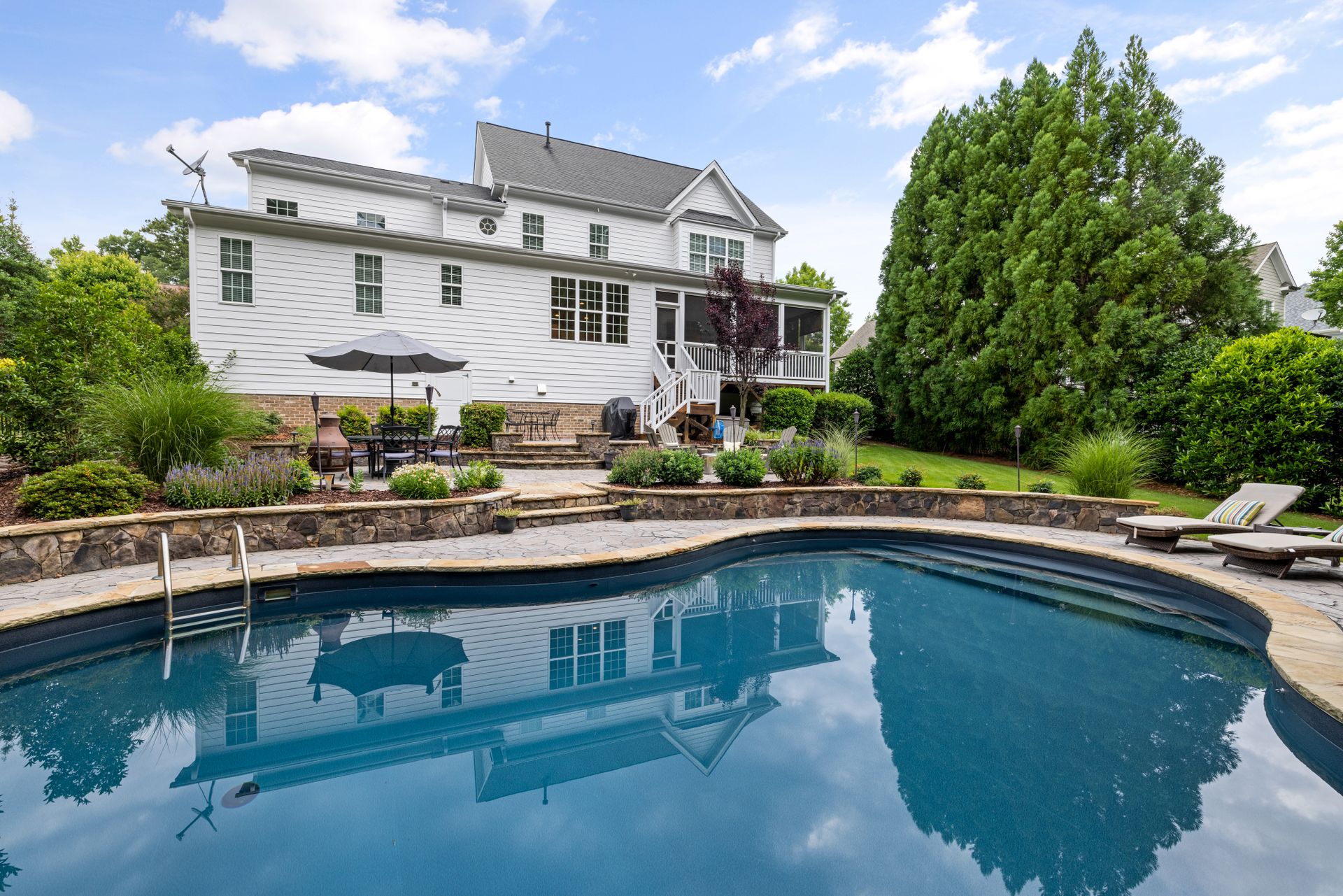
Enjoy More Comfortable Backyard Time with the Right Heater
The right pool heater can make your Los Angeles backyard more comfortable and usable throughout the year. Whether you want warmer water for weekend guests, steady temperatures for family swims, or quick spa heat after a long day, the best choice comes down to how you use your pool.
Gas and heat pump pool heaters can both be great fits, but they work in very different ways. At Smart Swim, we look at the full backyard system, including your pool, spa, equipment pad, utilities, and renovation plans, before helping you weigh the options. A heater should fit your habits, not force you to change them.
Gas Heaters Provide Fast Heat When You Need It
Gas pool heaters create heat by burning natural gas or propane. Because they produce heat directly, they can raise water temperatures quickly, especially for a spa or a pool that has not been heated regularly.
For households that use the pool now and then, that fast response can be a major advantage. You may not want to keep the pool heated all the time just to be ready for a gathering or an unplanned swim. Gas heating gives you more on-demand flexibility.
A gas heater can be a strong match when you want:
Faster pool and spa warmups
Flexible heating for occasional use
Reliable performance when outdoor air temperatures vary
A heater that supports entertaining and short-notice spa time
Before we recommend a gas unit, we review the gas line capacity, equipment location, clearances, venting needs, and permit requirements. Proper sizing matters, too. A heater that is too small may take longer than you expect to warm a large pool, while a larger model than necessary can add to the initial equipment investment.
Heat Pumps Deliver Efficient, Consistent Pool Heating
A heat pump works differently. Instead of creating heat through combustion, it transfers warmth from the surrounding air into the pool water. That approach can make it an efficient option when your pool use and backyard conditions support it.
Heat pumps tend to work best when you prefer to hold the water near a comfortable temperature over time. Rather than rapidly warming a cool pool for one afternoon, they gradually help maintain the temperature for frequent swimming. If your family uses the pool often, that steady approach may better match your routine.
Placement is a big part of successful pool heater installation in Los Angeles. A heat pump needs room for airflow and enough space around the unit to operate as intended. We also consider electrical capacity, equipment pad space, sound near seating areas, nearby walls, and landscaping that could affect airflow.
Compare Efficiency, Heating Speed, and Backyard Needs
Heating speed and energy use should be considered together. A gas heater may make more practical sense when rapid spa heating is your top priority. A heat pump may be better suited to a pool that stays in regular use and benefits from consistent temperature maintenance.
The equipment that makes sense for your backyard depends on more than the heater itself. We encourage you to think through the bigger picture before making a decision.
Helpful questions include:
How often do you expect to swim or use the spa?
Do you want quick heat for occasional use or steady temperature control?
What utility connections and equipment space are already available?
Are you planning a pool remodel, new spa, automation upgrade, or equipment pad update?
How much sun and open air does the equipment area receive?
Future backyard plans can change the answer. For example, a new spa may make fast heating more important, while automated controls can make regular temperature management easier. A remodel is also a good time to consider plumbing, circulation equipment, and the layout of the equipment area instead of treating the heater as a separate decision.
Plan Pool Heater Installation in Los Angeles
A site evaluation helps prevent surprises during installation. Before selecting a heater, we inspect the pool plumbing, circulation equipment, electrical service, gas service when applicable, available equipment space, drainage, access, and local code requirements.
Sizing is not one-size-fits-all. Pool volume, surface area, sun exposure, desired water temperature, spa features, and your preferred warmup time all affect the type and capacity of heater that may work best. Your pump, filter, automation system, and plumbing also need to be compatible with the new equipment for dependable operation.
Professional installation matters for both safety and equipment life. Correct plumbing connections, electrical work, gas line work, clearances, ventilation, and startup procedures all help the system run properly. It is also a smart time to consider controls that allow you to manage pool and spa temperatures with greater convenience.
Choose a Heater That Fits How You Use Your Pool
Gas heaters and heat pumps each bring real advantages to a Los Angeles backyard. Gas is often the better fit for rapid heating and flexible, on-demand use. Heat pumps can be an efficient choice for households that want to maintain comfortable water temperatures over longer periods.
The best answer comes from matching the heater to your pool design, utility setup, swim habits, spa needs, and future backyard plans. A thoughtful evaluation of the entire equipment system can help you choose a solution that supports more enjoyable time in the water.
Get a Heater Plan Built for Your Backyard
At Smart Swim, we assess the details that affect performance, operating costs, and day-to-day comfort. For professional pool heater installation in Los Angeles, our team can help you move forward with a system designed around your property. Contact us to discuss your equipment needs and request a personalized recommendation.