

Smart Ways to Plan Pool Renovation in Los Angeles Hillside Homes
Los Angeles hillside homes have some of the best views in the city, but an old or cracking pool can make that space feel risky instead of relaxing. When a pool sits on a slope, it is not just about looks; it is about protecting your home, your yard, and the hillside below you.
In this guide, we walk through smart ways to plan pool renovation in Los Angeles hillside neighborhoods. We will talk about hidden risks, smarter design for views and privacy, structural and drainage upgrades, and how to blend your pool with outdoor living so the whole space works as one.
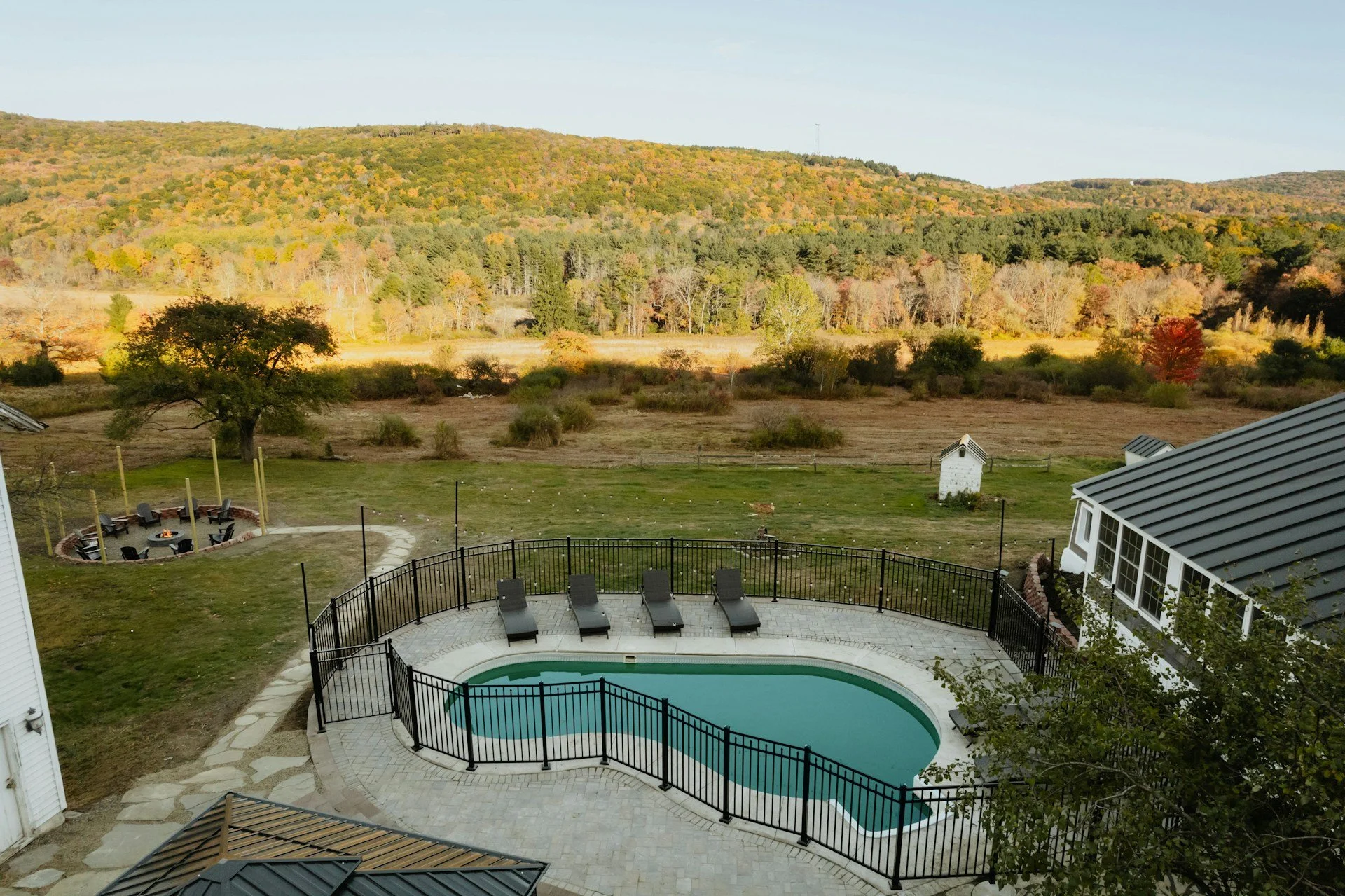
Smart Strategies for Renovating Hillside Pools
Renovating a hillside pool is different from renovating a pool on a flat city lot. The slope under and around the pool affects almost every choice you make. On a hill, the ground can slowly move, water can flow in the wrong direction, and access for construction can be tight.
Here are a few reasons hillside pool projects feel more complex:
Sloped yards that need special support under the pool and deck
Soil movement that can push on walls, piers, and foundations
Limited side yards or narrow streets for equipment and material delivery
Extra city and hillside rules aimed at keeping slopes stable and safe
When we plan a project like this, we look at safety, structure, and style together. The goal is a pool that feels calm and luxurious, frames the views you already have, and helps protect the home and hillside for the long term.
Understanding Your Hillside Pool’s Hidden Risks
On a hillside, the ground rarely sits still. Over time, soil can creep very slowly downhill. Rain, irrigation, and poor drainage make that movement worse. All of this can show up in your pool and deck in ways that are easy to miss at first.
Common warning signs that a hillside pool needs more than a cosmetic refresh include:
Uneven or sinking coping along the pool edge
Decks that feel tilted or show gaps at the back of the pool
Ongoing water loss that is not just splash-out or evaporation
Rust stains near cracks, joints, or old hardware in the shell
Tiles lifting, grout popping out, or joints opening where the pool meets a retaining wall
These signs usually mean the structure, not just the surface, is stressed. Covering them with new tile or plaster without fixing the cause can lead to bigger issues later. That is why a structural assessment is so important before planning anything fun, like finishes or features.
For many hillside pools, a smart first step includes:
Input from a geotechnical expert about the soil and slope conditions
Checking existing caissons, piers, or deep footings for movement
Reviewing any old repair work to see what was done and if it is still working
Once you know what is really happening under and around the pool, you can design a renovation that addresses the problems instead of hiding them.
Designing for Views, Privacy, and Safety
One of the best parts of a hillside pool is the view. A good renovation should highlight that. We often rethink the pool shape, edge style, and seating so the eye naturally goes out to the canyon or city lights.
Some view-friendly design moves include:
Infinity or vanishing edges that let water meet the sky or canyon line
Glass or cable railings instead of solid walls along view sides
Benches, baja shelves, and spas placed where you look out, not at a wall
Privacy can be tricky on a slope, since neighbors may sit above or below you. The right mix of structure and plants can give you a private feel without breaking rules or blocking someone else’s view.
Helpful privacy ideas for hillside lots:
Layered landscaping with tall plants closer to the house and lower plants near the view
Elevated planters that add screening where the grade drops off
Screening trees chosen with local view ordinances and growth patterns in mind
Fences and gates placed to meet local pool safety codes while staying out of view corridors
Safety must be part of the design from the start. Steep lots mean more stairs, edges, and level changes, so we think about:
Code-compliant pool fencing and gates
Pool alarms and gate hardware where required
Non-slip deck materials that stay grippy when wet
Step and path lighting so guests can see edges, stairs, and turns after dark
Smart Structural and Drainage Upgrades That Last
The structure under a hillside pool is doing heavy work. When you renovate, it is the perfect time to upgrade supports so the new look lasts.
Key structural improvements often include:
New or updated caissons or piles that reach down to stable soil
Reinforced or rebuilt retaining walls to better handle soil pressure
Strengthened bond beams at the top of the pool shell to resist movement and seismic activity
Drainage is just as important. On a slope, water wants to run downhill and collect where it should not. If that water sits against your pool, deck, or house, it can speed up damage.
Smart drainage planning might include:
Surface drains set into decks and patios to capture runoff
French drains behind walls to carry water away from structures
Swales on the slope to guide water along safe paths
Deck pitch that sends water away from the house and pool, not toward them
These upgrades are mostly invisible once the project is complete, but they are a big part of how long your pool, decking, and hardscape will last. They can also reduce worries about future repairs and help protect the rest of your property.
Blending Pool, Landscaping, and Outdoor Living
On a hillside lot, flat space is gold. A smart design-build approach treats the pool, terraces, and gathering areas as one connected plan instead of separate pieces. That way, every inch of level ground is doing something for you.
We like to think in layers:
Main pool terrace for swimming, lounging, and sun
A raised or lower-level terrace for dining or an outdoor kitchen
Fire features at the edge to draw the eye to the view at night
Small pockets for daybeds, benches, or planters in tight corners
Landscaping is not just decoration here. The right plants help hold soil, cool hardscape, and soften all the concrete and stone.
Good hillside plant and irrigation choices include:
Deep-rooted shrubs and groundcovers that help stabilize slopes
Drought-tolerant plant palettes that match the local climate
Drip irrigation to water plants without flooding the slope
Trees placed to give shade and privacy without blocking key views or pressing on walls
Material choices matter too. Lighter, thinner, or engineered products can reduce weight on the structure and still look great. Porcelain pavers, composite or engineered decking systems, and low-maintenance finishes handle sun, wind, and hillside debris with less upkeep.
Permits, Timing, and Budget Planning for Spring Projects
Hillside pool renovation in Los Angeles usually involves more reviews and inspections than a standard backyard pool. Expect your project team to look at:
City building and safety rules for pools, decks, and retaining walls
Special hillside or grading regulations
Structural engineering review for new supports and walls
Possible HOA guidelines, if your property has them
Spring is a smart time to kick off design and permitting. The days are longer, and there is a clear window to sort out plans and approvals so construction can move forward during the drier months and your pool is ready for peak swimming season.
When planning your budget, it helps to:
Allow a cushion for hidden structural issues that may show up once work begins
Put safety, structure, and drainage at the top of the list
Add design and finish upgrades after the core work is fully covered
This way, you end up with a pool and outdoor space that not only looks fresh but also supports your hillside home for years to come.
Get Started With Your Project Today
If your pool is ready for a fresh start, we are here to help you make the most of your backyard. Explore our pool renovation in Los Angeles options to find the right upgrades for your space, style, and budget. At Smart Swim, we work closely with you to plan each phase so the process is straightforward and transparent. Have questions or ready to book a consultation? Just contact us, and we will follow up promptly.