

Los Angeles homeowners know that pool construction can feel slow and confusing, especially when permits are involved. You hear different stories from friends and neighbors, and it is hard to know what is normal and what is a red flag.
We want to clear that up. In this guide, we walk through a typical timeline for pool construction in Los Angeles, from first sketches to fresh plaster. Timing will always depend on design, access, and your specific city rules, but understanding the order of each step helps you feel in control and plan your backyard around real dates, not guesswork.
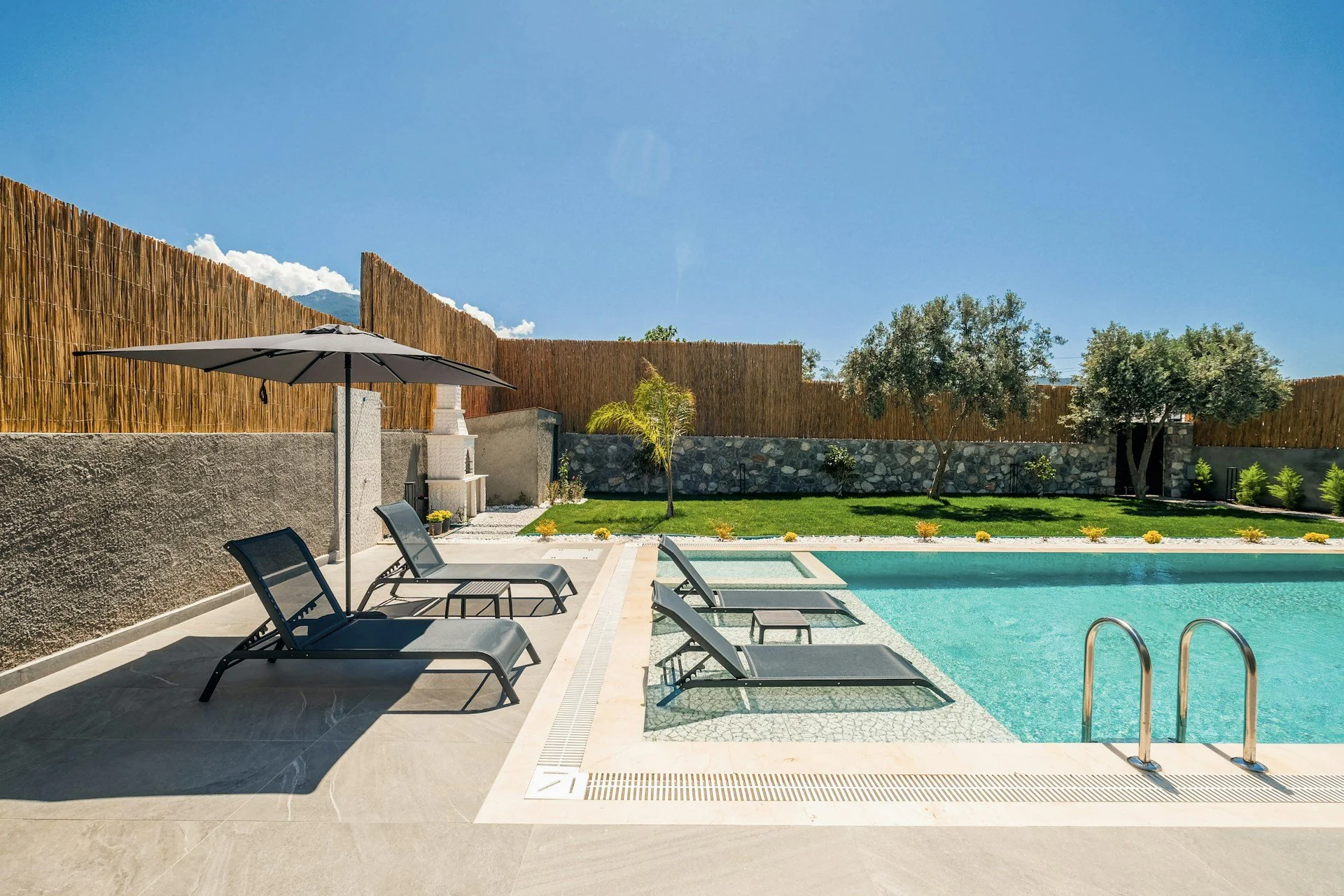
Turning Your LA Backyard Dream Pool Into a Real Timeline
Many people start thinking about a new pool right before spring and then get frustrated when permits and schedules push swimming season back. The truth is, the process is not just about digging a hole. There are clear stages, each with its own timing and approvals.
Our goal is to show how the phases usually line up so you can see:
What happens first, and why it matters
Where delays most often appear
How good planning keeps the project moving
As a local design-build team, we handle design and construction together, which helps reduce gaps between steps. You still need patience, but when you know what is coming next, the whole experience feels much easier.
Getting Ready: Design, Budget, and Site Planning
The design stage usually runs about 2 to 6 weeks. This is where your ideas turn into real plans that can go to the city and be built in your yard.
During design, we talk through how you want to use the space, not just the pool:
Lap swimming, lounging, play, or all three
Spa or no spa, and where it should sit
Depth changes and entry type, like steps, benches, or a tanning ledge
Tile, coping, and interior finish styles
We also look beyond the pool so your backyard feels like one complete space, not a few random pieces. Early decisions often include:
Patio and deck layouts
Outdoor kitchen or bar areas
Fire pits or fireplaces
Shade structures like pergolas
Budget talks start right away. We help sort must-haves from nice-to-haves so the plans fit your priorities before they go to the city. Adjusting before plans are submitted is much faster than changing things after construction starts.
On the site side, we review:
Property survey and lot lines
Utility locations and drainage paths
Access paths for excavation equipment
Street width, parking, and neighbor impact
This prep makes the next stages smoother and cuts down on surprises once the work begins.
Demystifying LA Permits and HOA Approvals
Permits are often the slowest and least predictable step in pool construction in Los Angeles. Some projects move in a few weeks, others take several months, depending on the city and the property.
Typical items the city reviews include:
Structural and engineering plans
Setbacks and pool location on your lot
Barriers and gates for safety
Grading and drainage plans
Some properties need extra reviews, such as hillside lots or areas near the coast. In those cases, the city may ask for more reports or added engineering details, which can extend the review time.
If you live in a community with an HOA or neighborhood board, their approval is usually needed too. They may have:
Design rules for finishes or fencing
Work-hour limits for noise
Guidelines for how the backyard should look
Submitting clear, complete plans helps cut down back-and-forth comments so you do not lose weeks on avoidable corrections.
From Dig to Steel: Shaping the Pool Structure
Once permits are issued, construction can finally start. The first big visible stage is excavation. For a typical backyard pool, digging often takes 1 to 3 days, but access and soil conditions can stretch that out. Tight driveways, narrow side yards, and busy streets affect how quickly trucks can move in and out.
After the hole is dug, crews set wood forms that outline the final shape. Then the steel team installs rebar, building a strong cage for the concrete shell. This forming and steel phase usually takes about 3 to 7 days, depending on size and design.
Before concrete is placed, the city will usually inspect:
Steel layout
Grounding and bonding
Sometimes plumbing rough-in
During this stage, expect:
Noise from equipment and trucks
Dust and dirt in the yard
Limited use of outdoor space
Clear communication and daily clean-up go a long way in keeping stress down during this messy but exciting part of the process.
Plumbing, Electrical, and Shotcrete or Gunite
Next comes the plumbing rough-in. This is when we run lines for:
Main drains and skimmers
Return lines and spa jets
Water features like bubblers or sheer descents
Equipment pads and future connections
This stage often takes around 3 to 5 days, depending on how many features are included. Electrical follows, with conduit for lighting, equipment power, and automation systems. Safety bonding and required inspections are handled before the shell is shot.
Shotcrete or gunite is the concrete stage. The crew sprays the mix over the steel, then shapes:
Steps and benches
Spa walls and seating
Sun shelves and transitions
Once the shell is in place, it needs time to cure. This usually takes about 2 to 4 weeks. During this time, the structure gains strength and prepares for tile, coping, and interior finishes.
Bringing the Backyard to Life: Hardscape and Finishes
Now the fun details begin. Tile and coping go on first, which typically takes 1 to 2 weeks. Your choices here set the whole style of the pool. Common options include:
Porcelain for a clean, modern look
Glass tile for sparkle and color
Natural stone for a more organic feel
After that, we focus on surrounding hardscape. Concrete, pavers, or stone decking defines where people will gather, walk, eat, and relax. This is also the best time to build out outdoor kitchens, bars, seating walls, pergolas, and fire features so everything ties together.
Interior finish is one of the last big steps. Plaster, quartz, or pebble is applied, then the pool is filled. The startup phase includes:
Running the equipment
Balancing water chemistry
Brushing the surface as it cures
Landscaping and lighting round out the space. Trees, plants, and low-voltage lights soften edges and help the yard feel like a private retreat, perfect for long LA evenings and fall get-togethers.
Your Seasonal Strategy: When to Start for Next Summer
The calendar matters for pool construction in Los Angeles. Permit offices often get busier as spring approaches, and builders book up ahead of summer holidays.
If you want to be swimming by Memorial Day or early July, it usually works best to:
Start design in the fall
Submit permits in late fall or winter
Begin construction as soon as permits clear
This timing gives room for design decisions, city review, inspections, and all the finish work without rushing. It also makes it easier to plan around school breaks, holiday travel, and your own busy schedule.
By starting early and understanding how each phase fits together, your new pool and outdoor living space can be ready when you want to enjoy it most.
Get Started With Your Project Today
If you are ready to bring your vision to life, our team at Smart Swim is here to guide you through every step of your custom design and build. Explore our pool construction in Los Angeles to see how we tailor each project to fit your space, style, and budget. Have questions about timelines, materials, or the process itself? Simply contact us and we will help you map out the next steps for your new pool.