

Pool Equipment Repair in Los Angeles’ Humid Microclimates
Stop Wasting Summer Days on Unreliable Pool Gear
When the August heat hits Los Angeles, a quiet, clear pool is not a luxury; it is how you relax, host friends, and let the kids burn off energy. So when a pump will not start, a heater keeps throwing error codes, or the filter decides to quit on a Friday afternoon, it can wipe out the weekend you have been planning all week.
What makes it worse is when the same problems keep coming back. You fix one thing, something else fails, and pretty soon you are wondering if any more pool equipment repair in Los Angeles is worth it at all. That is where humid microclimates come in, the hidden factor that can slowly wear out your gear without you even noticing.
In many parts of LA, from coastal neighborhoods to leafy canyons, trapped moisture hangs around equipment pads and slowly attacks pumps, heaters, and controls. We want to walk through how those microclimates work, how they change your repair decisions, and what to ask a pro before you spend another dollar on your system.
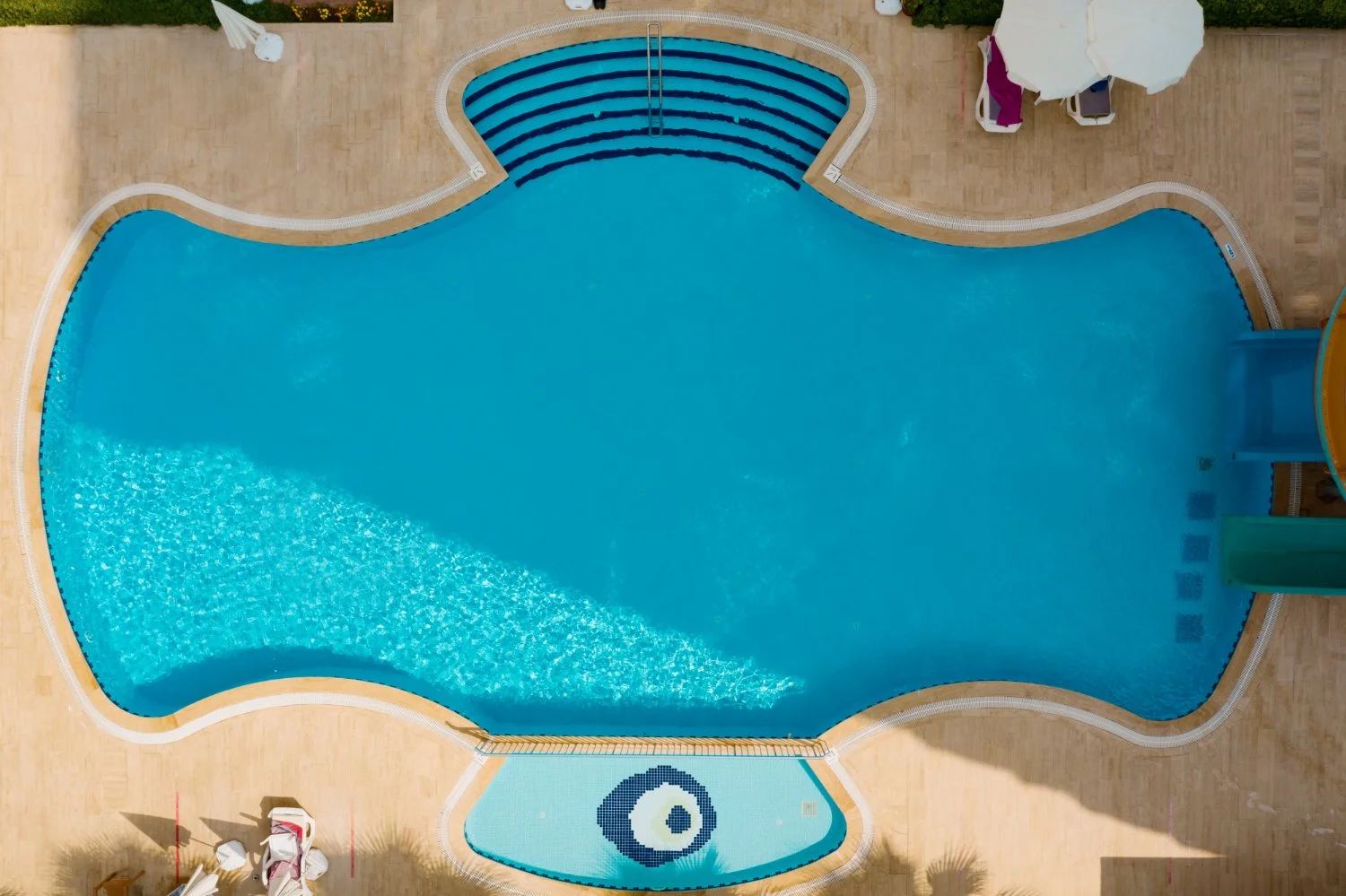
How LA’s Humid Microclimates Attack Pool Equipment
Los Angeles is known for dry air, but many backyards do not feel that way. Certain areas hold on to moisture, especially in:
Coastal fog belts where morning marine layer keeps surfaces damp
Shaded canyon pockets with limited airflow
Yards packed with dense plants and irrigation spray
Properties close to ponds, streams, or large water features
Around pool equipment, that lingering moisture collects on pipes, metal housings, and electronics. It might not look like much day to day, but over time it adds up.
Here are some of the common effects we see in those humid pockets:
Corrosion on heaters and salt cells, shortening their useful life
Rusted screws and fasteners that seize up during even simple repairs
Condensation inside control panels and timers that leads to shorts
Swollen gaskets and seals that start leaking under pressure
Mold or mildew in enclosed equipment areas that stay damp
Two houses in the same zip code can have completely different realities. One may have a sunny, breezy pad with equipment out in the open. The other might tuck everything into a tight side yard surrounded by high walls and heavy landscaping. Same brand of heater, same pump size, totally different wear and tear.
That is why a good inspection looks beyond the equipment itself. Airflow, shade, plant watering patterns, and how close the gear is to walls all matter more than most people think.
Repair or Replace Your Pool Equipment in Coastal LA
In these humid pockets, some problems show up again and again. Homeowners often call about:
Heaters that will light sometimes, then fail on the next start
Heat exchangers with visible rust or pinhole leaks
Pump motors that keep burning out earlier than expected
Control panels that work fine one day, then go dead after a damp morning
So how do you decide between repair and replacement in this kind of environment? A simple way to think about it is:
Repair makes sense when:
The issue is isolated, like a single sensor or relay
The equipment is in the middle of its normal life span
Most of the metal parts and wiring still look clean and solid
The unit is still a good match for how you use the pool
Replacement starts to look smarter when:
Corrosion is spread across many parts, not just one area
Inside surfaces are flaking, rusted, or pitted
Parts are hard to find or no longer made
The unit uses far more energy than newer options
Choosing the right partner for pool equipment repair in Los Angeles can make a big difference here. The goal should not be to patch every single problem forever. It should be to compare honest repair options with the long-term value of a replacement that will stand up better to your specific microclimate.
Smart Strategies to Extend Pool Equipment Life
You cannot change the ocean or the canyon you live near, but you can change how your equipment lives in that environment. Small design shifts often do more for equipment life than one more round of repairs.
Practical placement upgrades include:
Raising equipment on a stable pad so it stays clear of puddles
Improving drainage so water does not collect under pumps and heaters
Adding shade structures that block harsh sun but still allow airflow
Keeping gear away from corners where walls trap wet air
For yards with extra humidity, it can also help to:
Use corrosion-resistant hardware and fittings where possible
Add weather-resistant covers or enclosures for electrical parts
Vent any doors or cabinets around equipment so air keeps moving
Schedule regular inspections before and after peak pool season
Proactive maintenance is a big part of the picture. Instead of waiting until something fails in the middle of a party, it is better to:
Have seasonal tune-ups on pumps, heaters, and filters
Clean salt cells and filter elements on a routine schedule
Check seals, unions, and O-rings for early signs of swelling or cracks
Keep a simple log of recurring issues so patterns are easier to spot
When your equipment is cared for with the local microclimate in mind, each repair has a better chance of lasting longer.
Choosing a Repair Partner Who Understands LA Microclimates
Not every pool service provider looks at the environment around the gear. Some only look at a failed part, swap it, and move on. In humid corners of LA, that often means the same issues keep returning.
A strong service partner will usually:
Have experience with coastal and canyon properties
Understand local codes and what is allowed in tight side yards
Think about your overall outdoor layout, not just the pump in front of them
Talk through how airflow, shade, and landscaping affect your equipment
When you speak with a potential provider, it helps to ask a few simple questions:
What is your inspection process before you recommend repairs?
Do you offer any warranty on your repair work?
How do you explain options and pricing before starting?
Can you handle both pool equipment repair in Los Angeles and bigger changes like relocating equipment or redesigning the pad?
At Smart Swim, we design and build custom pools, spas, and complete outdoor living spaces in the Los Angeles area, so we are always thinking about how equipment fits into the bigger plan. Our goal is not only to fix what broke today, but to shape a setup that looks good, runs smoothly, and holds up better to the specific microclimate in your backyard.
Turn Today’s Equipment Issues Into a Better Backyard Tomorrow
Mid to late summer is often when weak spots in your system finally show up. Pumps that have been working hard start to get noisy, heaters throw error codes when guests are over, and small leaks become hard to ignore. Instead of treating each issue as a random hassle, this can be the perfect time to step back and plan smarter changes.
Fall and winter are often easier seasons for bigger updates like moving equipment to a better spot, reworking hardscaping around the pad, or folding in new features such as a spa or outdoor lounge area. By using the problems you see now as clues, you can guide a long-term plan that gives you a more reliable, better organized space for every hot LA day to come.
Restore Your Pool’s Performance With Expert Care
If your system is noisy, leaking, or just not working like it used to, our specialists are ready to help you with reliable pool equipment repair in Los Angeles. At Smart Swim, we inspect your equipment, explain what we find in clear terms, and recommend only the repairs you actually need. Reach out today and let us get your pool running smoothly again by using our contact page form.