

Decoding Pool Plumbing Layouts in Los Angeles Backyards
Smart pool plumbing is one of those things you do not think about until there is a problem. But what happens under your deck and patio has a huge impact on how clear your water looks, how much you pay to run your system, and how easy your pool is to live with day-to-day. In a city like Los Angeles, where backyards come in all shapes and sizes, the plumbing layout can make the difference between a backyard that works and one that fights you.
In this guide, we break down how swimming pool plumbing in Los Angeles actually works, why layout matters so much, and what smart planning looks like for new pools, spas, and remodels. We also talk about simple seasonal checks you can do each fall so your system keeps running smoothly while life gets busy with school, holidays, and shorter daylight hours.
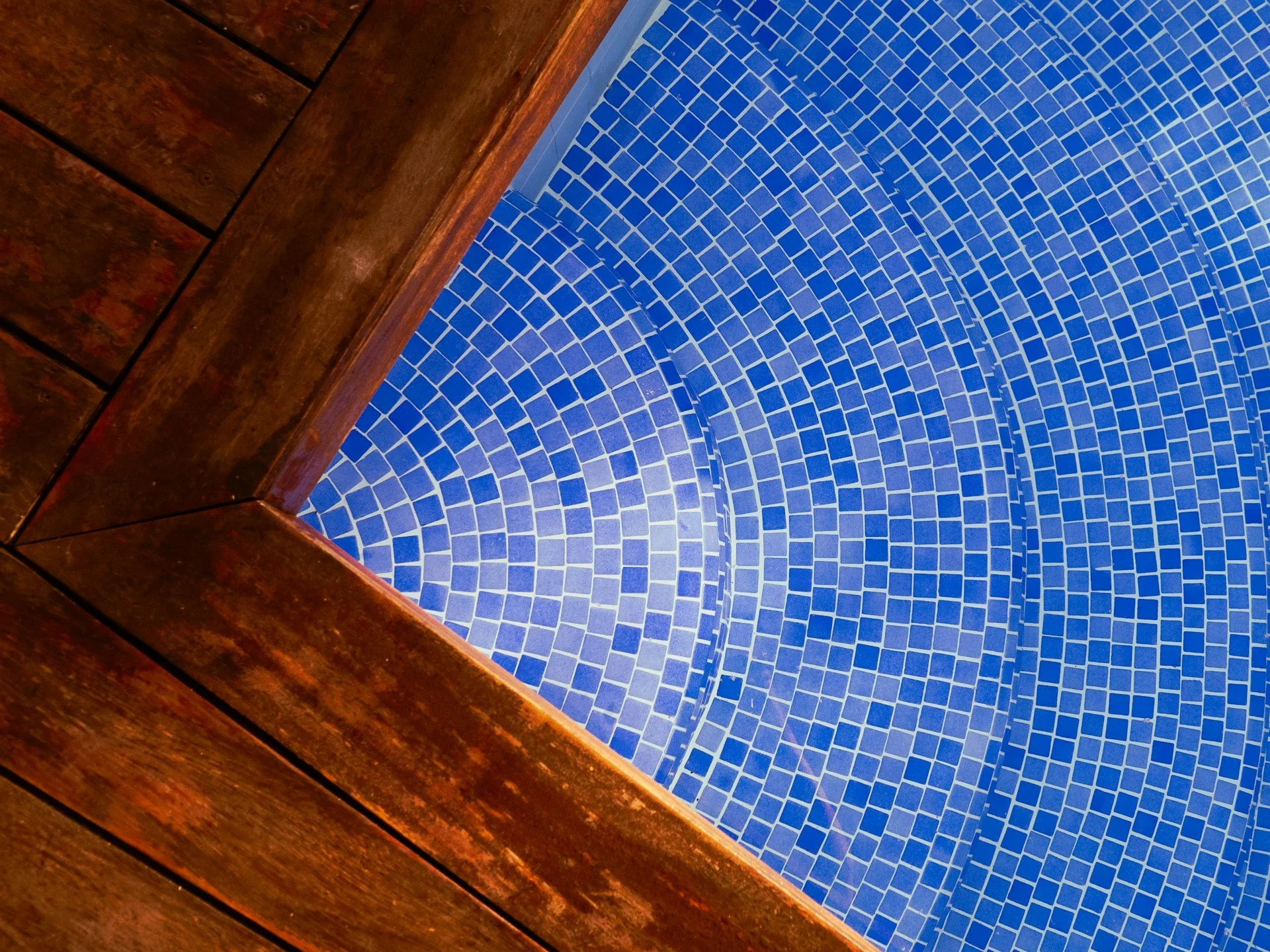
How Smart Plumbing Design Transforms LA Backyards
Most people focus on tile, plaster, and cool features. The truth is, your experience is shaped by pipes, valves, and equipment hidden underground and along the side of your house. Good plumbing design helps your pool heat faster, stay cleaner, and run quieter.
Smart plumbing choices affect things like:
Heating time and energy use
How evenly chemicals mix in the water
How often you deal with cloudy water or dead spots
Long-term reliability of pipes and fittings
When you plan a new pool, spa, or remodel, the plumbing layout should be part of the first conversation, not an afterthought. As designers and builders of full outdoor environments in the greater Los Angeles area, we think about how the pool, spa, hardscape, and landscaping all connect. That includes making sure plumbing routes support the whole backyard, instead of cutting off future options for patios, ADUs, or garden areas.
Core Plumbing Components Every Pool Owner Should Know
Every pool has a basic plumbing loop. Once you know the main parts, the whole system makes more sense.
On the pool side, you usually have:
Main drains at the deepest point
Skimmers along the waterline
Return inlets around the walls and sometimes on steps or ledges
Water flows from the pool through the drains and skimmers, into the suction line, and over to the equipment pad. There, the pump pulls the water, pushes it through the filter, then through the heater if it is on, and finally back to the pool through the return lines.
A few simple ideas go a long way:
Larger pipes can move more water with less effort from the pump, which helps with energy use and noise Shorter and straighter runs mean less resistance and smoother flow
• Clean filters help everything work better, including heaters and water features
Modern Los Angeles pools often include extras that tie into this core network, like:
Spa jets and air lines
Waterfalls, sheer descents, and scuppers
Bubblers and mini jets on tanning ledges
In-floor returns or cleaners for shallow play areas
Each of these needs its own thoughtful plumbing so it does not steal too much flow away from filtration or make the system hard to balance.
Smart Layouts for Swimming Pool Plumbing in Los Angeles
Los Angeles lots are rarely simple rectangles. Many backyards are narrow, on a slope, or wrapped around the house. That means plumbing design has to work with:
Tight side yards for equipment pads
Long runs from pool to equipment
Hillside elevation changes that affect water pressure
Elevation is a big deal. If your pool is lower than the equipment, the pump has to work differently than when the pool is higher. Proper planning helps keep the system primed and reduces stress on the pump.
Local climate and codes also guide pipe depth and routing. While deep freezes are rare, pipes should still be buried at safe depths, protected from strong sun where possible, and supported so they can handle soil movement and small shifts from earthquakes.
A thoughtful layout reduces friction loss, which means the pump does not have to work as hard to move water. That helps:
Lower energy use in a city with high power costs
Keep heater flow steady for reliable temperatures
Cut down on noise and wear over time
Integrating Spa, Heating, and Water Features Seamlessly
In many Los Angeles backyards, the spa is the star. Most spas share equipment with the pool, but the plumbing for a shared system has to be carefully planned.
A good shared setup usually includes:
Dedicated suction and return lines for the spa
A spillway or overflow edge into the pool
Automatic valves that switch between pool mode and spa mode
That way, one equipment set can heat the spa quickly, then go back to circulating the pool, without constant manual valve turning.
Heating systems also need smart plumbing. Gas heaters, solar panels, and heat pumps often work best with:
Bypass lines so water can skip the heater when it is off
Check valves to keep hot water from flowing backward
Proper flow rates so heaters can run safely and efficiently
Water features and slides run better on their own loops, with separate valves and sometimes their own pumps. This lets you:
Turn features on only when you want them
Keep filtration steady even when features are off
Fine-tune flow to each feature for the look and sound you like
Planning Remodel Plumbing for Aging LA Pools
Many older pools in Los Angeles were built with smaller pipes, fewer returns, and equipment squeezed into any available corner. Over time, you might see:
Weak skimming and poor circulation
Corroded metal fittings or brittle plastic
Patchwork repairs with no clear record
Equipment pads that are hard to reach or service
A remodel is a chance to bring the plumbing up to modern standards. That can include:
Replacing old suction and return lines
Adding extra returns or a second skimmer
Re-plumbing for new pumps, heaters, or automation
Adjusting routes to free up space for new patios or outdoor kitchens
Professional pressure testing and, in some cases, camera inspection help locate hidden issues before new concrete or pavers go in. Clear as-built plans after the remodel are also important so any future work on the yard does not cut into pipes you cannot see.
Seasonal Plumbing Checks Before LA’s Fall and Winter
Early fall in Los Angeles is a good time to give your pool plumbing a quick check while the weather is still warm and swim season is starting to slow down.
A simple checklist can include:
Look over visible pipes, unions, and valves for drips or salt marks
Make sure the equipment pad drains properly, especially near walls or planters
Listen for new pump noises like squeals or rattles
Watch the pump lid for large air bubbles that do not clear
Test automation and valve actuators to be sure they move fully
As days get shorter and you use the pool less, it often makes sense to adjust:
Circulation schedules so the pump runs during off-peak times
Heater settings so you are not heating water you are not using
Water feature run times, since they can add evaporation and splash
If you notice air in the lines, sudden pressure changes on the filter gauge, or louder than normal pump sounds, it is usually better to bring in a professional sooner rather than later. Catching issues before they grow often prevents bigger repairs and keeps your backyard ready whenever you want to use it.
Get Started With Your Project Today
If you are ready to solve leaks, circulation issues, or aging equipment, our team at Smart Swim is here to help. Explore our service options for swimming pool plumbing in Los Angeles and see how we can restore your pool’s performance and reliability. We will walk you through your options, explain what your system needs, and provide transparent recommendations. Have questions or want to schedule an appointment now? Simply contact us and we will follow up quickly.