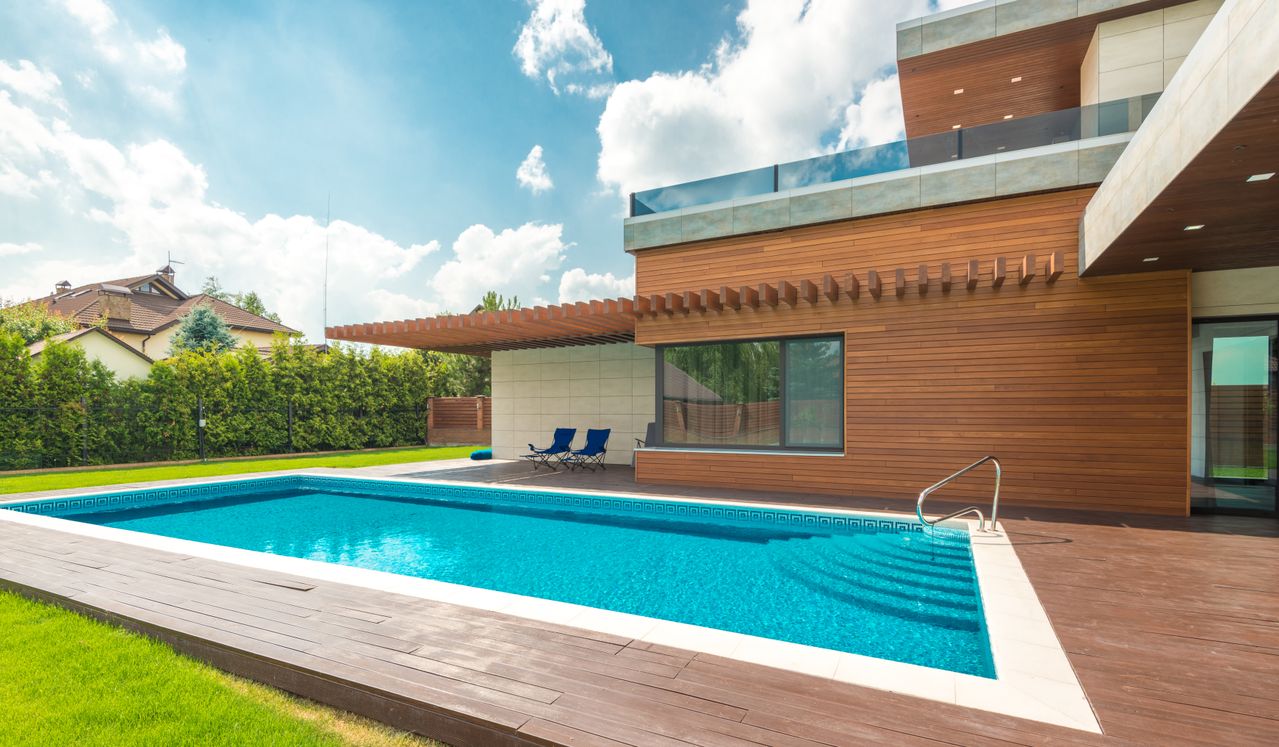
A pool’s tile, waterline, plaster, and lighting may get the attention, but the shell below them does the heavy lifting. This concrete structure supports the pool through years of water pressure, soil movement, regular use, and changing outdoor conditions. When we plan pool shell installation in Los Angeles, we treat it as one of the most important parts of the entire project.
Careful checks during excavation, steel placement, plumbing, shotcrete, and curing can help prevent uneven surfaces, hidden plumbing trouble, and difficult corrections later. Every project is shaped by approved plans, local requirements, soil conditions, and the custom details you choose for your backyard.
Start with a Verified Pool Site
Before structural work begins, we check that excavation matches the approved pool design. That means confirming the planned length, width, depths, wall angles, floor transitions, steps, benches, spa areas, and water-feature locations. An excavation can look close to plan and still need adjustments before steel and concrete go in.
Sloped yards, limited access, and detailed outdoor living layouts need extra attention. A pool may need to work alongside patios, retaining areas, an outdoor kitchen, fire features, landscape beds, or pathways. Checking elevations and dimensions early gives us room to address conflicts while the site is still open.
Soil and drainage also deserve a close look. Properties throughout Los Angeles can have different soil conditions, hillside concerns, and groundwater considerations. These factors may affect the engineering approach, drainage plan, structural support, or retaining solutions needed for the project.
Before moving ahead, we coordinate the pool’s placement with the project documents and site conditions, including:
Required setbacks and approved pool location
Equipment placement and utility routes
Future access for service and maintenance
Nearby decking, hardscaping, and landscape features
Catching a conflict at this stage is far simpler than changing a structural detail after the shell is installed.
Check Steel, Plumbing, and Bonding Before Concrete
Steel reinforcement, often called rebar, forms the internal framework of a concrete pool shell. It helps the finished structure respond to soil pressure, water pressure, and normal ground movement. Before shotcrete is applied, we compare the steel layout with the engineered plan and inspect spacing, bends, connections, overlap areas, and clearances.
The rebar must follow the intended shape of the pool. Curves, steps, benches, tanning ledges, raised spas, and deep-end transitions all need properly placed reinforcement. If the steel does not match the design, the finished shell cannot properly match it either.
Plumbing is another major checkpoint before the shell is formed. Pool lines are much easier to inspect and test while they are still visible. We coordinate the position and security of components such as:
Suction and return lines
Skimmers and drains
Spa jets and water-feature plumbing
Dedicated cleaner lines and plumbing stub-outs
Pressure testing helps identify a problem before concrete surrounds the lines. We also coordinate bonding and electrical-related work according to the project plans and applicable code requirements. Clear communication among our construction team, electricians, and inspectors helps avoid disruptive corrections later.
Form the Shell with Consistent Shotcrete Work
Shotcrete, often called gunite in pool construction, is pneumatically applied concrete that creates the pool shell. This is the moment when an excavated space begins to take on the recognizable form of a finished pool. Good results depend on the material mix, equipment setup, application pace, nozzle technique, and experienced oversight throughout the process.
During pool shell installation in Los Angeles, we pay close attention to how concrete is placed across the walls, floors, steps, benches, and spa sections. The material needs to be applied with consistency and enough force to create a dense structural surface. Thickness is checked as the shell takes shape, especially in areas with curves, corners, plumbing penetrations, and transitions between connected features.
Details matter here. Rebound material, which can fall away during application, should not become part of the structural surface. Our crews also shape the shell to the approved layout, creating clean lines and smooth transitions where the pool connects to a spa, ledge, step, or raised feature.
The shell is more than a concrete bowl. It provides the base for the parts you will see and use every day, including tile, coping, interior finish, lighting, and custom water features. A properly formed shell gives those final materials a stable surface to work from.
Verify the Shell Before Finish Work Begins
Once shotcrete application is complete, we inspect the shell again before later finishes cover key details. We compare the structure with the approved plan and verify its overall shape, dimensions, depths, and feature locations.
That review may include checking:
Step, bench, and tanning-ledge placement
Spa seating and spa-wall transitions
Drain locations and skimmer elevations
Plumbing stub-outs for returns, jets, and water features
The alignment of areas that will receive tile and coping
Curing is also part of building a durable concrete shell. Newly applied concrete needs appropriate care as it develops strength over time. We follow project-specific procedures along with material and engineering guidance so the shell is prepared for the next phases of construction.
Those later phases may include waterproofing, tile, coping, plaster, decking, equipment installation, and startup. Taking curing seriously helps protect the work already completed and creates a better foundation for every finish that follows.
Build Quality Into Every Stage
Pool shell quality is not one quick inspection at the end of the day. It is a series of careful decisions, measurements, tests, and reviews that begin with excavation and continue through curing. Each stage affects how the pool performs, how its finishes look, and what it may need over time.
When you review a custom pool plan, ask how the construction process addresses engineering, material placement, plumbing testing, inspections, and communication. Understanding these checkpoints helps you see why the work beneath the waterline deserves just as much attention as the finished backyard around it.
Build With Confidence From the Ground Up
For dependable pool shell installation in Los Angeles, our team brings careful coordination and quality-focused workmanship to every stage of the project. Smart Swim can help you move from design decisions to a pool structure built for long-term performance. Contact us to discuss your pool plans with our team.