

Heat-Wave-Proof LA Pool Equipment: Pump, Filter, and Heater Upgrades (Copy)
Keep Your Pool Running Strong Through LA Heatwaves
Long stretches of triple-digit days are hard on people, pets, and especially pools. When the heat keeps building, your equipment pad can feel like its own little desert, and that is when older pumps, filters, and heaters tend to give up. Many homeowners learn this the hard way, right in the middle of peak swim season.
When equipment is stressed by extreme heat, water can turn cloudy, chemicals stop holding, and the pool can slide from fun to off-limits fast. Breakdowns often turn into rushed emergency repairs, which are stressful and disruptive. With the right pool equipment upgrade in Los Angeles, you can set your system up to stay steady, clear, and efficient, even when the heat does not let up.
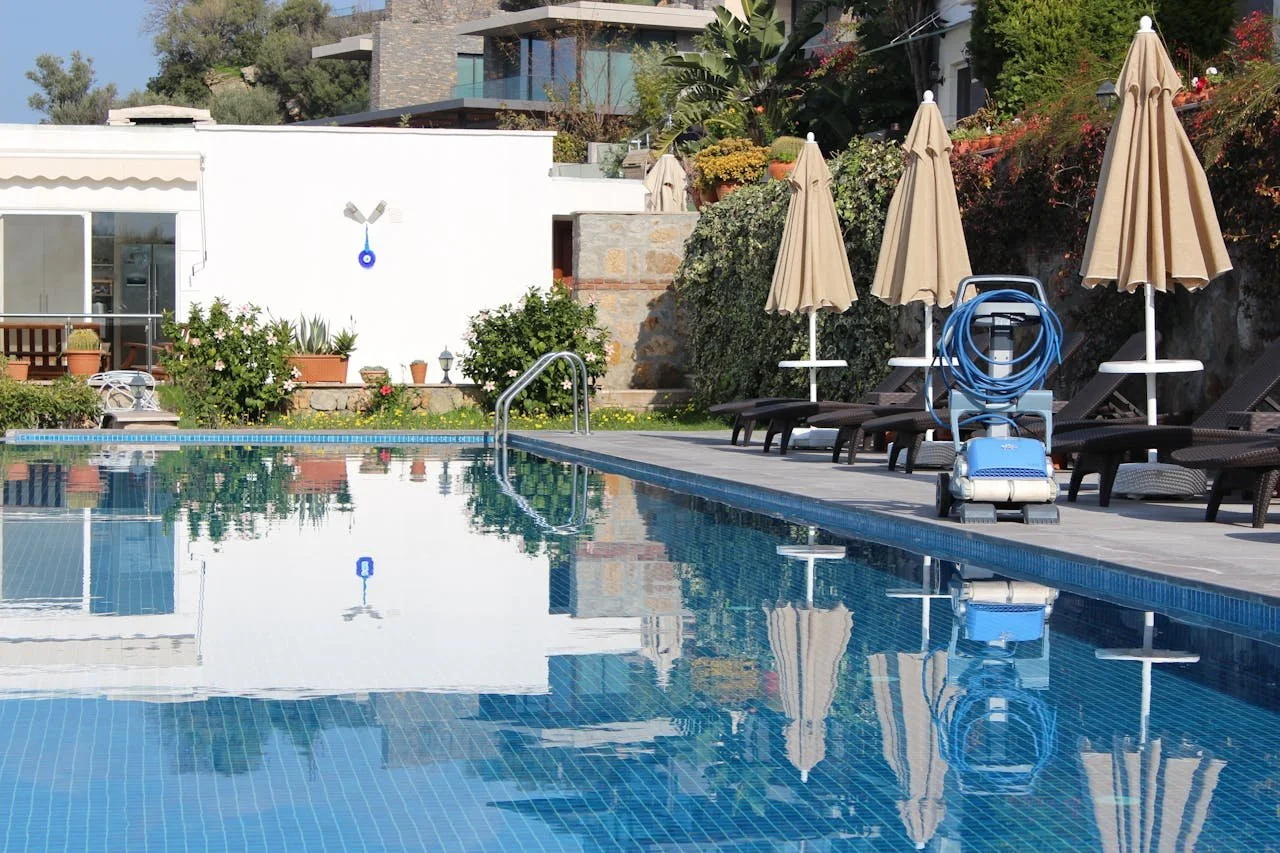
Smart Setbacks and Layout Planning Around the Pool
Setbacks are the invisible lines that shape your entire backyard layout. They decide how close your kitchen island, grill, and seating can be to the pool edge, property lines, and your home. When we plan early, we can fit everything in smoothly instead of squeezing appliances into odd corners later.
Key layout goals near a pool include:
Keeping grills and open flames far enough from the water to limit splash and steam issues
Protecting outlets and switches from direct spray
Leaving clear access routes for safety and emergency use
We also plan for "no-obstruction" zones around the pool so you have room for safe walking, pool entry, and possible rescue access. That often means avoiding big islands or tall structures right at the waterline. Outdoor kitchen design in Los Angeles must respect these open spaces, especially in tighter lots.
Circulation is just as important as placement. We map how people will move between the house, pool, and kitchen so the hot cooking zone stays separate from play paths. Smart circulation usually includes:
A defined walkway from the house to the pool and kitchen that avoids grill traffic
Space around steps and level changes so no one crowds near edges
Clear spots for gates and doors that meet code for pool safety and exits
When kids can reach the pool without cutting through the cooking triangle, the whole area feels calmer and safer.
Code-Smart Electrical and GFCI Protection Near Water
Water and electricity do not mix, so the rules around outlets and lights near pools are strict for good reason. Outdoor kitchens close to pools need GFCI protection, correct bonding and grounding, and fixtures rated for wet or damp locations.
We think carefully about where each outlet goes. Good planning means:
Enough outlets for grills, fridges, and small appliances, so cords are not stretched across walkways
Height and placement that keep them away from splash zones
Separate runs for low-voltage lighting, audio, and similar systems so they do not tangle with gas or water lines
Many inspection problems show up in the electrical stage. Common issues include:
Using non-rated extension cords for permanent appliances
Mixing indoor-only fixtures into outdoor kitchen structures
DIY wiring that does not meet pool-area standards
By bringing licensed electricians into the design process, we line up power needs with pool equipment, lighting, and kitchen gear from the start. That way, your outdoor space works as one safe, connected system.
Gas Lines, Shutoffs, and Safe Ventilation for Grills
Gas planning is another piece that must happen early, before the deck is poured or pavers are set. Properly sized gas lines, buried at the right depth and pressure-tested, keep your outdoor kitchen safe and ready for code review. It is much easier to plan this on paper than to cut open new concrete later.
Good gas layout means:
Running lines along smart routes that avoid future tree roots and heavy traffic zones
Grouping gas appliances, like grills, side burners, and fireplaces, where one feed can serve them efficiently
Leaving access points for future service, inspections, and upgrades
Code rules call for accessible gas shutoff valves. That means:
Valves that are easy to reach without moving heavy furniture
Shutoffs placed on the "user side" of fences or gates, so you can reach them fast
Clear labeling so no one guesses during an emergency
Ventilation is just as important as the gas itself. Built-in grills and gas components must have vent panels so any leaking gas can escape instead of collecting inside cabinets. For covered patios or semi-enclosed pavilions, we also look at:
Vent hoods sized for the grill and cooking area
Proper clearances to ceilings and nearby walls, following manufacturer guidance
Open sides or other airflow paths so smoke and heat do not linger
Done right, you can cook comfortably without filling the patio or pool area with fumes.
Drainage, Slip Resistance, and Child-Safe Paths
Water never stays where you expect it to, unless you plan for it. Drainage around an outdoor kitchen near a pool has to handle splashes, rain, cleaning water, and even grease from cooking. We design the hardscape so surfaces slope gently away from the pool and kitchen structures, not toward them.
A strong drainage strategy often includes:
Subtle grading that pulls water toward drains, not door thresholds
Trench or channel drains in high-traffic spots, like between kitchen and pool
Thoughtful placement of drains so they do not trap food, sand, or clutter
Slip-resistant surfaces are a big part of safety too, Around both the pool and the kitchen, we favor:
Textured concrete finishes that give grip when wet
Pavers with surface patterns meant for outdoor, wet use
Porcelain rated for exterior use, avoiding glossy or smooth tiles
We stay away from shiny sealers that can turn a deck into a slide when water or oils hit them.
Child-safe circulation ties all of this together. We want parents to relax by the grill while still seeing the pool clearly. That usually means:
Wide, direct paths with lighting so movement at night is easy and safe
Visual separation, like planters or changes in texture, between play zones and hot zones
Gates and fencing set to protect the pool, without blocking views from the kitchen or seating
When line-of-sight is built into the design, supervising kids while you cook or host becomes much more natural.
Planning Your Code-First Outdoor Kitchen in Los Angeles
In our warm climate, outdoor kitchens and pools stay busy for most of the year. Starting design work in late spring gives enough time to create plans, address code details, coordinate utilities, and move into construction before the peak entertaining months roll on.
The most successful outdoor kitchen design in Los Angeles happens when the pool, hardscape, and kitchen are planned as one project. When we look at setbacks, utilities, and safety features together, everything from gas lines to GFCI outlets can share smart routes and clean layouts. The result is a backyard that looks like a single, thoughtful idea, not a patchwork of separate add-ons.
By putting safety and code first, you do more than pass inspections. You create an outdoor space that feels calm, easy to use, and ready for guests any day of the week. At Smart Swim, we focus on that full-picture approach so your resort-style backyard is both beautiful and built to last.
Get Started With Your Project Today
Transform your backyard into a space you truly enjoy with our tailored approach to outdoor kitchen design in Los Angeles. At Smart Swim, we listen closely to your vision and lifestyle so every detail works for how you actually live and entertain. If you are ready to explore ideas or get a detailed quote, simply contact us. Let’s start planning a space that feels like a natural extension of your home.