

The Pool-to-Patio Flow: Clearances and Indoor-Outdoor Transitions
Design an Outdoor Living Flow You Actually Use
A backyard can look beautiful and still be a pain to use. Chairs are too close to the pool, everyone squeezes past the grill, and wet feet cut straight through the living room. On the other hand, a yard with smart circulation, good clearances, and easy access from the house becomes the place everyone naturally ends up, day after day.
In Los Angeles, the weather invites us outside all year. That means the way people move between the pool, patio, and interior matters as much as tile color or plant choice. Outdoor living spaces in Los Angeles work best when they feel like another room of the house, not a separate set.
We like to think about three main pillars when we plan a pool-to-patio layout: clear circulation paths, right-size furniture zones, and smooth indoor-to-outdoor connections. When these three are planned together, the result is a backyard that feels simple, calm, and easy to use for family days and bigger gatherings.
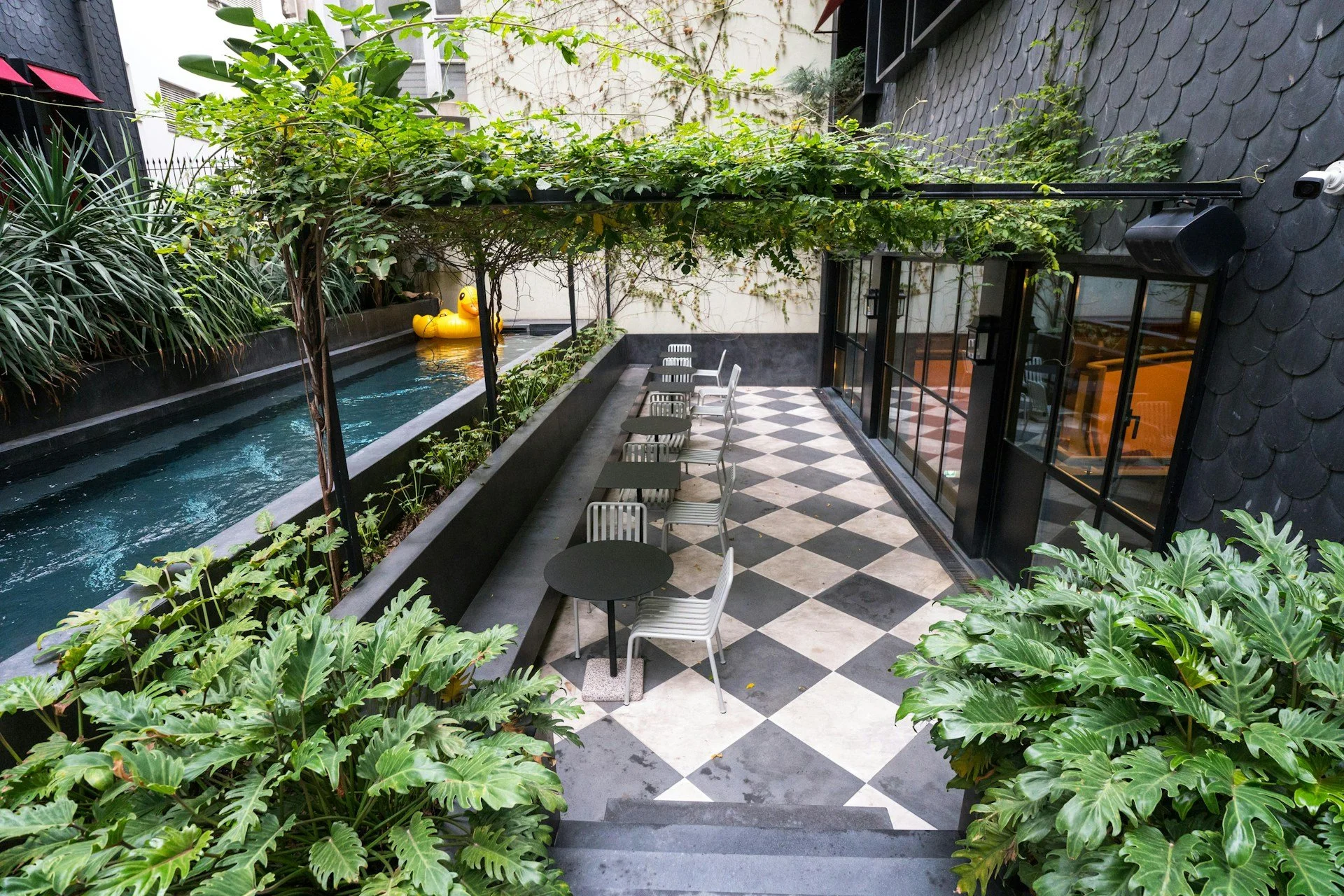
Plan Circulation Paths Before You Place a Single Chair
Circulation in a backyard is just how people move. From the kitchen to the grill, from the great room to the spa, from the side gate to the pool equipment, every step follows a path. If those paths are too tight or cross in the wrong spot, the whole space feels awkward.
Common lot shapes in Los Angeles affect these paths. Many homes have:
Narrow side yards where everyone passes,
Deep rear yards with pool and lawn at the far end,
Hillside terraces with stairs between levels,
Long driveways that double as access for service and storage.
We start by mapping primary paths first, like:
House to pool and spa
House to outdoor dining and kitchen
House to side yards and gates
Then we layer in secondary paths to things like storage, equipment, or a small lawn. For walking space, we aim for:
Comfortable routes around the pool so two people with towels can pass,
Clear space between doors and furniture so nobody turns sideways to squeeze through,
Safe walkways along retaining walls or planters, where a stumble would not feel safe.
In our climate, surfaces heat up and wet feet are common. Slip-resistant materials on main paths help a lot. We also plan for shade or filtered sun along key routes, using trees, pergolas, or covered patios. At night, good lighting along steps, edges, and turns keeps circulation simple, so guests naturally follow the right lines without hunting for the next step.
Get Furniture Clearances Right for Real-Life Comfort
One of the biggest problems we see is a deck that was sized only for the pool, not for furniture. The pool ends up perfect, but the patio feels tight. We prefer to plan around how you will sit, eat, and lounge, then draw the hardscape around that.
Each furniture type needs its own kind of space:
Dining tables need room to pull out chairs and still walk behind them,
Chaise loungers need space at the foot so people can pass without bumping toes,
Umbrellas need clearance when they tilt or spin,
Fire features need safe distance so nobody feels too hot or trips on edges.
Common groupings in outdoor living spaces in Los Angeles include:
A row of chaises on the pool edge,
A small conversation area with lounge chairs or a sectional,
A main dining table near the kitchen,
Bar seating at an outdoor counter,
A casual hangout spot around a fire bowl or low fire pit.
Each group needs room to walk in and out without breaking the main circulation paths. On multilevel terraces, we stay very aware of where chairs or chaises sit near steps or a spa spillover. A chair that feels fine on paper can become a trip hazard in real life if it blocks where someone would naturally walk.
We also like to plan a few flexible zones. Maybe a patch that is open most days for kids to play, but can hold extra cocktail tables for a party. Or a lounge area that can stretch with a couple of extra chairs when more people show up. When clearances are right, it all shifts without feeling packed.
Seamless Indoor, Outdoor Transitions for LA Living
The doorway between inside and outside is the most important line in the whole design. It decides how people reach the pool, grill, and dining areas. If the main door that leads outside is far from the kitchen or blocked by furniture, carrying food and drinks becomes a chore.
We pay close attention to:
Where the main sliders, French doors, or bi-fold doors sit in the floor plan,
How traffic flows from the kitchen and great room to the outdoor kitchen and dining,
Whether kids can reach the pool without cutting through the quiet parts of the house.
Level changes also matter. When possible, keeping the interior floor and exterior patio at similar height helps the eye and the feet move smoothly. Using materials that visually connect inside and outside, such as similar tones or patterns, makes the space feel larger and more unified.
Our climate also shapes how we plan comfort near these doors. Shade for hot afternoons, cross-breeze for stuffy days, wind protection around corners, and heaters or a nearby fire feature for cooler evenings all help the outdoor space stay inviting longer each day. Good view lines from inside to the pool and landscaping mean you enjoy the design even when you are on the sofa or at the dining table.
Practical details at the threshold matter too, like:
A spot for towels and pool toys near the exit,
An outdoor rinse station or shower so people do not track water through main rooms,
Floors that handle a bit of moisture without feeling slippery.
Layer Pool, Patio, and Landscape Into One Cohesive Resort
The outdoor spaces many people love most feel like small private resorts. Everything connects: swimming, lounging, cooking, eating, and quiet escape, without any one element stealing the whole show.
We think in layers:
Hardscape like decks, coping, and steps sets the structure,
Softscape like planting beds, lawn alternatives, and planters softens edges,
Vertical elements like fences, privacy screens, and pergolas shape the sense of enclosure.
Micro zones help one yard serve many moods. A shallow sun shelf for in-water loungers, a tucked-away spa nook, a small fire corner, and a covered lounge all give people choices without breaking the overall flow. You can be close to the action or a little off to the side, yet still feel part of the same environment.
Materials and textures tie it all together. Pool finishes, pavers, and decking need to work well in strong sun and around water, stay comfortable under bare feet, and look cohesive from the house. Lighting, automated shade, and thoughtful sound setups can support different zones so one person can relax while another group chats near the pool.
Turn Your LA Backyard Into a Smarter Pool-to-Patio Escape
A successful pool project is really a full outdoor living project. When circulation routes, furniture clearances, and indoor-to-outdoor transitions are planned with as much care as pool shape and finish, the yard stops being just a backdrop and becomes part of daily life.
If you walk your current yard and trace the paths you actually use, you may start to notice tight spots, awkward doorways, or missing zones. That fresh look is the first step toward a smarter pool-to-patio layout. As a Los Angeles-based team focused on custom pools, spas, and complete outdoor environments, we design spaces that feel like a natural extension of the home, ready for casual afternoons, bigger gatherings, and everything in between.
Get Started With Your Project Today
Transform your backyard into a space you truly love with our custom designs for outdoor living spaces in Los Angeles. At Smart Swim, we listen carefully to how you want to use your yard, then create a plan that fits your lifestyle, property, and budget. If you are ready to talk details, schedule a consultation and tell us about your vision. You can also contact us with any questions before getting started.