

Under-Deck Pool Equipment Rooms in Los Angeles
Upgrade Your Pool Equipment Room the Smart Way
A quiet backyard is hard to enjoy when pumps hum and heaters buzz a few feet away. Many Los Angeles homes have tight lots and prized views, so bulky pool equipment can feel like it is stealing both space and serenity. Moving that equipment under the deck is a smart way to clean up the yard and calm things down.
An under-the-deck pool equipment room is a dedicated space built below or inside the footprint of your deck. It can hold pumps, filters, heaters, automation, and more, all hidden from sight. This setup is becoming popular across LA because it helps keep yards open, lines clean, and outdoor spaces feeling like a small private resort.
To make that work in real life, four design pillars matter most: ventilation, access, noise control, and a code-safe layout. When these pieces come together, a pool equipment upgrade in Los Angeles can be smooth, quiet, and safe for the long run.
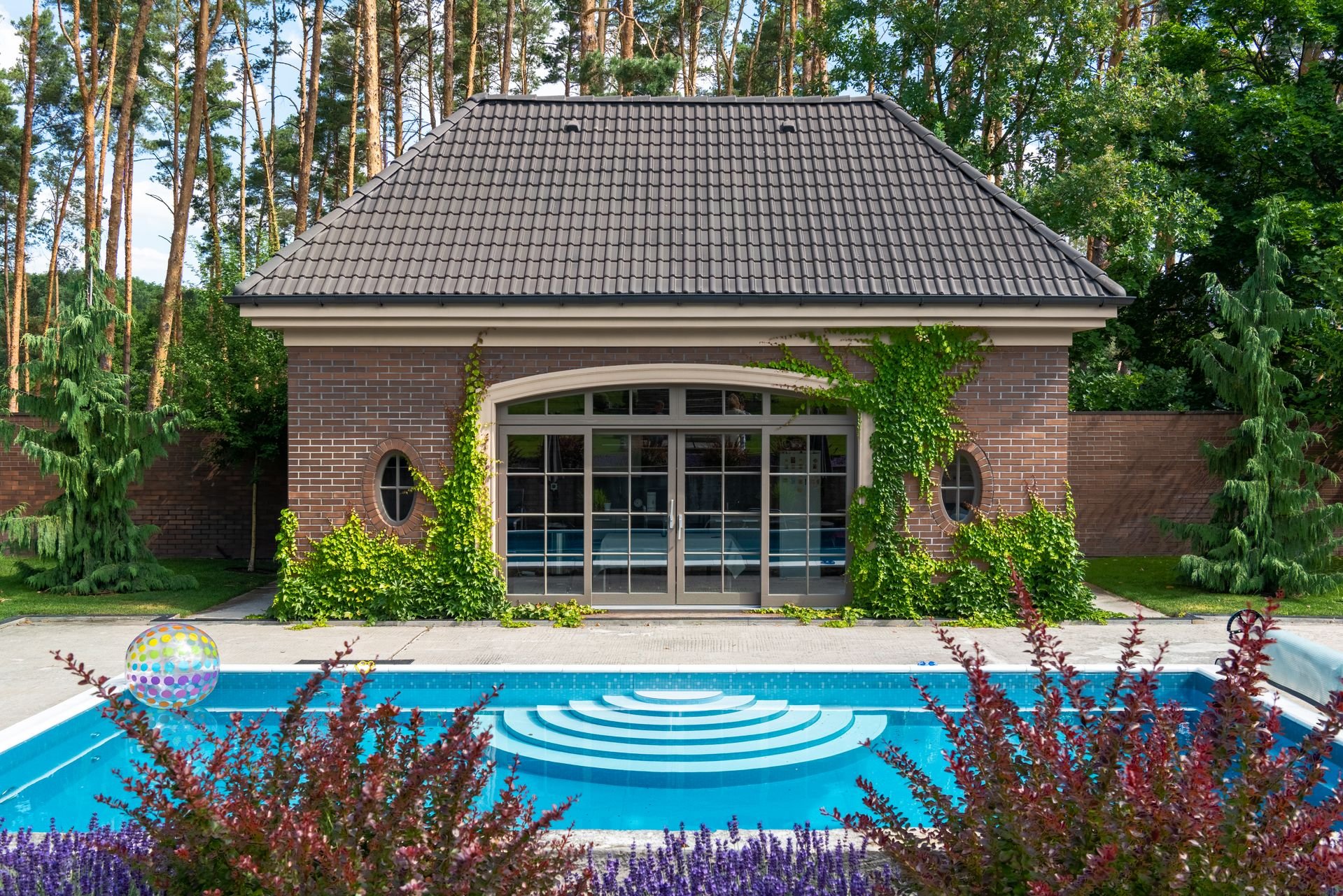
Why Go Under the Deck for Pool Equipment Storage
Moving equipment under the deck is about more than hiding a few pipes. It is about getting your outdoor space back. By tucking equipment under an existing or new deck, you free up ground space for things you actually enjoy.
Homeowners often want:
Clear sightlines from the house to the pool
Fewer “busy” corners filled with pipes and valves
A more connected feel between pool, spa, and outdoor living areas
With equipment pulled out of the yard, the whole space can feel larger and more intentional. It is easier to plan a lounge area, outdoor kitchen, or simple seating when you are not working around a noisy pad of gear.
Comfort is another big reason. Pumps, heaters, and blowers all create heat and sound. When this equipment sits close to a patio or seating area, you notice it, especially during late-summer evenings when you want the yard to feel calm and relaxed. Moving it under the deck puts a solid structure between the noise and your main hangout areas.
There is also long-term value. A clean, professional equipment room:
Signals that the pool has been cared for
Helps future buyers feel confident about the system
Can support upgrades like automation, water features, and lighting
When everything has a place, is labeled, and is easy to service, the whole pool system tends to perform better and last longer.
Ventilation That Protects Equipment and Your Home
Pool equipment works hard. Pumps run for hours, heaters fire, and sanitation systems can give off heat and moisture. If that energy has nowhere to go, an under-deck room can turn into a hot, damp box. Over time this can shorten equipment life, lead to corrosion, and, with gas appliances, raise safety concerns.
Good ventilation keeps air moving so:
Heat from pumps and heaters can escape
Moist air does not sit on metal parts and wiring
Any gas fumes can dissipate instead of building up
There are several ways to design airflow under a deck. Some common tools are:
Louvered doors that allow air in and out while staying private
Passive vents high and low to support natural air movement
Ducting and powered exhaust fans for tighter or more enclosed spaces
Gas heaters also need dedicated combustion air and clearances so they can run safely. This is especially important under decks, where joists, beams, and finishes may be closer than they would be outdoors.
Los Angeles has specific rules for gas appliances, ventilation openings, and clearances. On top of that, our local climate brings warm, dry days and cooler, sometimes damp nights. That swing can create condensation in small spaces. A well-planned under-deck room takes all of that into account so equipment has enough fresh air and room to breathe.
Safe, Simple Access for Service and Emergencies
A hidden room is only helpful if people can actually use it. If a tech has to crawl through a tiny hatch and twist around pipes to reach the filter, service takes longer and small issues are easier to miss.
Smart access planning usually focuses on:
A clear entry door that opens fully
Enough headroom to stand and move around key equipment
Space in front of pumps, filters, and heaters to work safely
Inside the room, layout matters. Grouping related components together, like pumps and valves for the same body of water, makes the system easier to understand. Labeled shutoff valves and simple diagrams near the entry can help anyone quickly see what is what.
Good lighting is a big help too. Fixed LED lighting on switches is safer and more comfortable than a flashlight or phone light. When the space is bright and open, service visits are faster and less disruptive for the household.
Emergency readiness is part of good planning. Gas shutoff valves, electrical disconnects, and main drain controls should be easy to find and reach. Code-compliant egress and clear pathways matter in case of gas smells, flooding from a broken pipe, or an electrical problem.
Noise Control and Vibration Management Under the Deck
Under a deck, sound behaves differently than out in the open. Wood framing can carry vibration, small gaps can act like speakers, and pool equipment can send a low hum right up into the deck boards.
The usual noise sources include:
Pool and spa pumps
Heaters and their fans
Air blowers for spas or water features
Automatic cover motors
To keep the backyard peaceful, we look at both sound and vibration. Some helpful strategies are:
Mounting pumps and equipment on vibration pads
Using insulated walls or acoustic panels in key areas
Sealing unnecessary gaps from the equipment room to the deck above
Choosing piping routes that do not hard-couple vibration into framing
Los Angeles has local noise rules and many homes sit close to neighbors. A careful under-deck design can make a big difference in day and night sound levels. When equipment runs quieter, you are less likely to disturb the home next door and more likely to enjoy your own outdoor space.
Code-Safe Layouts That Keep Your Pool Legal and Efficient
A compact under-deck room can look sleek, but if it is too tight, it can be unsafe and out of code. Each piece of equipment needs clear working space around it so it can be serviced and vented properly.
Key layout points usually include:
Clear space in front of electrical panels and controls
Side and rear access to pumps and filters for unions, lids, and valves
Proper clearances above and around gas heaters
Gas, electrical, and drainage planning tie into that layout. Gas lines need safe routing, support, and proper shutoff locations. Electrical work needs correct bonding, grounding, and GFCI protection. Since this room sits under a deck, floor drainage or a sump system can help keep water from pooling around equipment.
When planning a pool equipment upgrade in Los Angeles, sometimes an existing under-deck space can be reused with small updates. In other cases it makes sense to rethink the whole room so it can support:
Modern heater options
Pool and spa automation panels
Future water features or lighting
Other home loads that might share space, like solar or EV related gear
Thinking ahead keeps the room from feeling crowded a few years down the line.
Plan Your Under Deck Equipment Upgrade with Smart Swim
Planning ahead is key. Many homeowners like to start projects in late summer as schedules shift for back-to-school and end-of-season routines. That timing can work well for design and permitting so construction does not interrupt the next peak swim season.
At Smart Swim in Los Angeles, we focus on complete outdoor environments, and an under-the-deck equipment room is a big part of that picture. We look at how the pool, spa, deck, and landscape all connect so the equipment room supports the space rather than fights it. A thoughtful design-build process gives you a clean, quiet, code-safe solution that fits your home, your yard, and the way you like to live outside.
Upgrade Your Pool Experience With Professional Support Today
If you are ready to make your backyard more efficient, reliable, and enjoyable, our team at Smart Swim is here to help. Explore how a pool equipment upgrade in Los Angeles can lower energy costs and improve your pool’s performance year-round. We will walk you through your options, answer your questions, and recommend solutions that fit your needs and budget. To schedule a visit or request a quote, simply contact us.