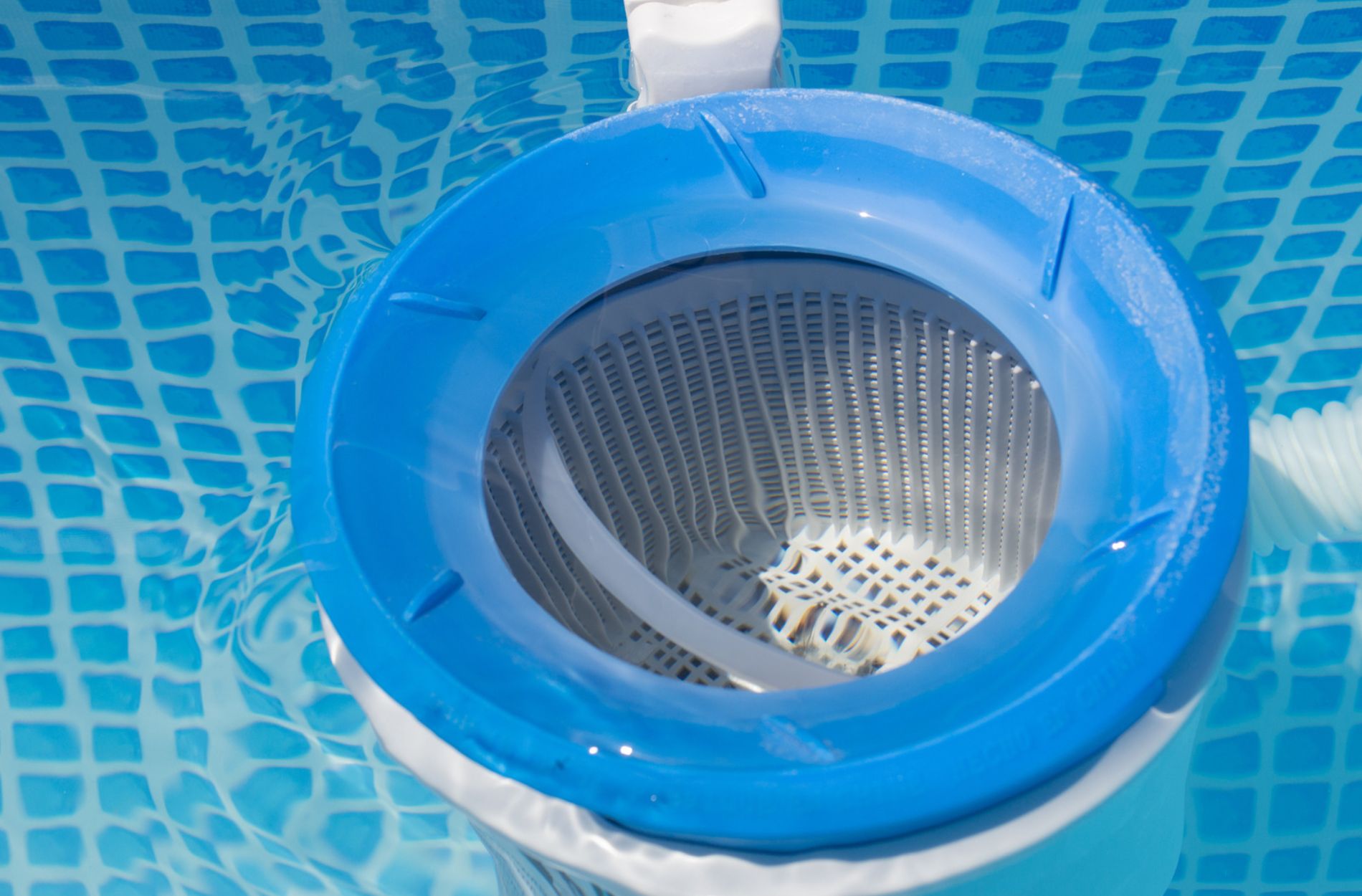
Know When Your Filter Can No Longer Keep Up
A pool filter does far more than catch leaves. It helps keep water clear, supports steady circulation, and protects connected equipment such as the pump and heater. When cloudy water, recurring debris, rising maintenance needs, or weak return flow keep coming back after routine service, your filter may be telling you something.
At Smart Swim, we often find that the problem is not always the entire filter. Sometimes the system needs cleaning, fresh media, or new cartridges. Other times, damaged parts inside the tank or an aging filter assembly make pool filter replacement in Los Angeles the smarter long-term answer.
Los Angeles pools can collect a lot between cleanings. Windblown dust, leaves, landscaping debris, sunscreen, pets, frequent swimming, and outdoor entertaining all add material that the filter must manage. A system that once handled the pool well can struggle as components age or as backyard use changes.
A professional evaluation helps us separate a routine maintenance issue from a replacement need. We inspect the parts that affect filtration and flow, including:
Filter tanks, clamps, seals, and valves
Sand or glass media, cartridge elements, or DE grids
Internal manifolds, laterals, and plumbing connections
Pump flow, return pressure, and equipment pad layout
Compare Sand, Cartridge, and DE Filter Lifespans
Each filter type works differently, and each has its own aging pattern. Knowing what is on your equipment pad can make it easier to understand why the pool water is changing.
Sand filters are known for simple operation and durable tanks. Water passes through sand or glass media that captures debris before clean water returns to the pool. The tank itself may serve the pool for many years, while the media generally needs attention sooner. When water stays dull, pressure readings act strangely, or backwashing no longer improves performance, worn or compacted media may be part of the problem.
Cartridge filters use pleated filter elements instead of a backwashing process. This can be a good fit if you prefer less water waste during normal maintenance. Over time, though, cartridges can flatten, tear, stain deeply, or become difficult to clean effectively. Replacing cartridges can restore performance, but a cracked tank, damaged band, or failing internal part may call for more than new elements.
DE filters use diatomaceous earth, often called DE, to capture very fine particles. They can deliver excellent water clarity, but their internal grids, manifolds, and seals need periodic inspection. A torn grid or cracked manifold can allow debris, or even DE powder, to return to the pool instead of staying inside the filter.
The best choice is not always the same type you already own. Space, maintenance preferences, pool size, and the rest of the circulation system all matter.
Spot Problems That Point to Filter Replacement
Cloudy water is one of the most familiar warning signs, but it does not automatically mean the filter has failed. Water chemistry, circulation, cleaning habits, and algae concerns all deserve attention. Still, if the pool stays hazy or fine debris keeps returning after proper service, the filter may no longer be catching what it should.
We also look closely at pressure and flow. A filter that rises in pressure very quickly after cleaning may be clogged, undersized, or dealing with worn media. Pressure that does not improve after service can point to an internal blockage or damaged component. Weak water flow from the pool returns may indicate that the system is working too hard to push water through a restricted filter.
Common issues that deserve a professional inspection include:
Leaks around the tank, clamp, valve, or plumbing
Cracked filter tanks or deteriorated seals
Broken sand-filter laterals or damaged internal parts
Torn cartridges or DE grids
Aging valves that no longer seal or direct water properly
It is wise not to force damaged equipment to keep operating. Restricted flow can place extra strain on the pump, heater, and other connected equipment. Addressing the real source of the issue can prevent a small filtration problem from turning into a larger equipment concern.
Plan Pool Filter Replacement in Los Angeles
Proper filter sizing is about more than choosing a larger tank. We consider pool volume, pump flow rate, plumbing, circulation needs, and water features before recommending a replacement. A filter that is too small may clog quickly and require constant attention. One that does not match the pump or plumbing can also create avoidable performance problems.
Your daily pool use matters, too. A pool used often by families and guests has a higher bather load than a pool that is rarely used. Nearby trees, pets, spas, waterfalls, and outdoor kitchens can also add debris or change how the backyard functions. If you are planning a backyard remodel, those changes may affect what the filtration system needs to handle.
Replacing a filter is also a good time to review the full equipment pad. We can assess whether the pump, valves, plumbing, automation controls, heater, and sanitizer system are working together as they should. Coordinating needed updates at the same time can create a cleaner layout and reduce the chance of repeated disruptions later.
Match a New Filter to Your Pool and Lifestyle
The right filter should match both the pool and the way you prefer to care for it. Sand filters can appeal to owners who want straightforward operation. Cartridge filters may suit those who prefer to avoid backwashing. DE filters can be a strong option for owners who place a high value on fine filtration and are comfortable with more involved maintenance.
Future plans deserve a place in the conversation. Pool resurfacing, a new spa, added landscaping, an outdoor kitchen, or a water feature can all change circulation demands. Rather than replacing equipment piece by piece without a larger plan, we help you consider how each upgrade will work with the rest of your backyard.
Professional installation matters just as much as the equipment selection. Proper plumbing connections, pressure testing, media or cartridge setup, and flow verification help a new filter start out correctly. Clear guidance on normal operation also makes it easier to recognize changes before they become bigger problems.
Take the Next Step Toward Clearer Water
An aging filter can make every part of pool care feel harder, from brushing and skimming to balancing water and keeping the returns flowing well. Whether the answer is cleaning, a component repair, new media, or pool filter replacement in Los Angeles, the goal is the same: reliable circulation and water that stays easier to manage.
Pay attention to patterns instead of one isolated bad pool day. Persistent cloudiness, unusual pressure behavior, leaks, and weak flow are practical signs that the filtration system deserves a closer look. A thoughtful equipment evaluation can identify the real issue and help protect the pool system for the long run.
Restore Reliable Pool Performance
Smart Swim can help you choose the right filter solution for your pool’s needs and equipment setup. For dependable pool filter replacement in Los Angeles, our team provides clear recommendations and professional service. Contact us to schedule an evaluation and take the next step toward cleaner, more efficient water.