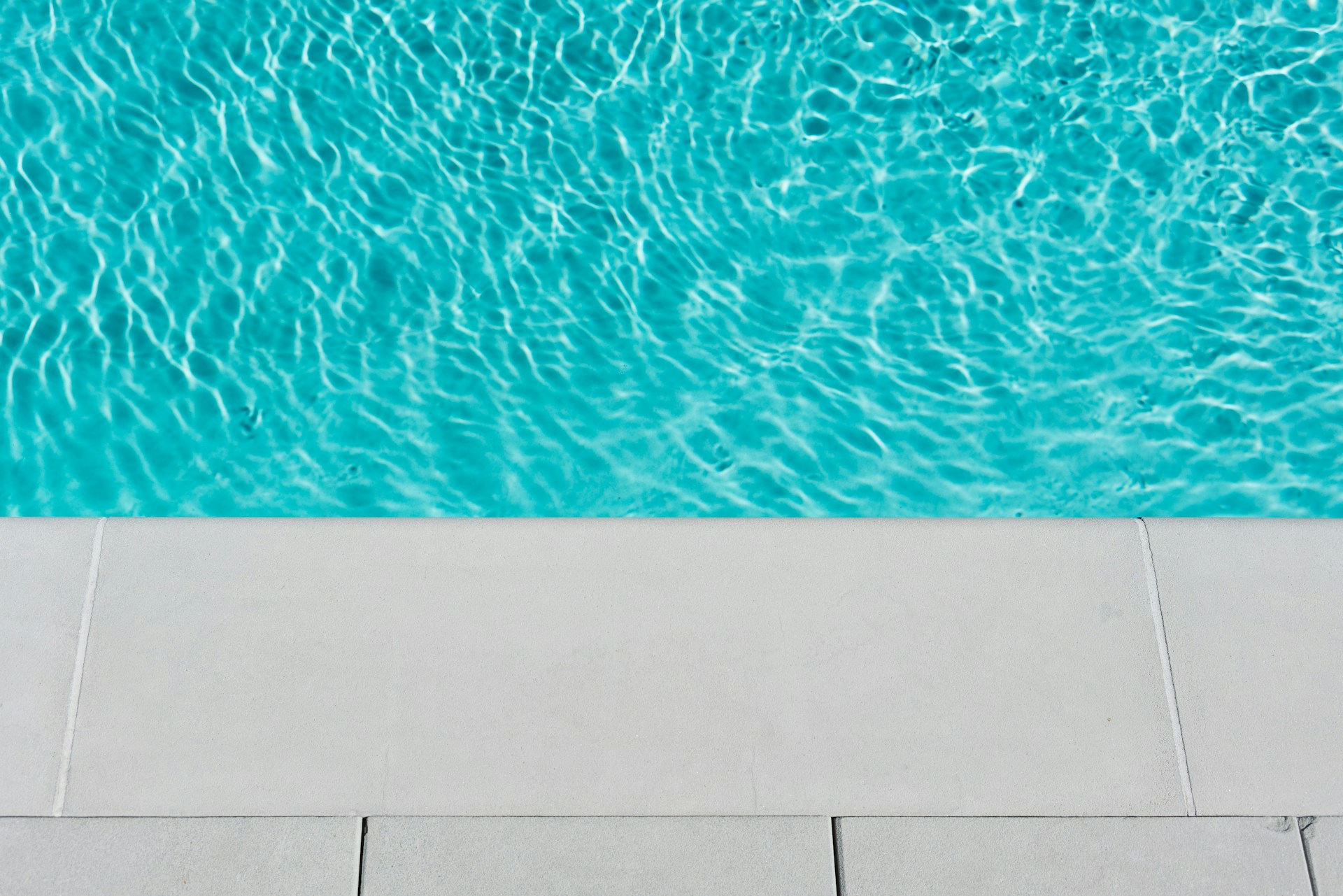
Protect Your Pool Before Small Coping Cracks Spread
Cracked, chipped, or shifting pool coping can make you worry that a small flaw is turning into a larger pool problem. That concern is reasonable. Coping protects the pool shell, helps secure the edge around the waterline, and creates a safer transition between the pool and deck.
Some surface cracks can be repaired, but deeper or widespread damage may call for replacement. A prompt evaluation can help prevent water from getting behind the coping, materials from loosening around the edge, and damage from reaching the deck or pool structure. At Smart Swim, we look beyond the visible crack and assess the poolscape as a whole, including the coping material, crack pattern, age of the installation, deck movement, and bond beam condition.
Identify the Cause Behind Your Coping Cracks
Coping does not usually crack without a reason. Over time, natural materials can age, mortar joints can weaken, and poured concrete can develop surface cracks. Installation issues, settling soil, poor drainage, and movement in the surrounding deck can also place pressure on the pool edge.
In Los Angeles, varied soil conditions and normal ground movement can affect hardscape stability. When the deck shifts, coping may crack, separate, or loosen at the joints. Water collecting around the pool perimeter can create another concern by weakening the material below the coping or washing out support over time.
A thin hairline crack may be mostly cosmetic, especially when the coping remains level and firm. More concerning damage often shows up in patterns, such as cracks that grow wider, run through several pieces, or appear with loose waterline tile.
Keep an eye out for related warning signs:
Gaps between the coping and adjacent deck surface
Crumbling grout or mortar joints
Waterline tile that has separated or shifted
Standing water near the pool edge
Coping stones that rock or move underfoot
Before we recommend a repair, we identify what caused the problem. Filling a crack without addressing deck movement, drainage, or a weak supporting surface can lead to the same issue again.
Know When a Targeted Repair Can Last
A focused repair can be a practical solution when the damage is limited and the pool edge is otherwise stable. We often recommend repair for one or two damaged coping pieces, isolated mortar failure, minor joint deterioration, or small surface cracks in stable concrete coping.
The right method depends on the material. Natural stone, precast concrete, brick, and poured concrete each need different products and installation methods to create a lasting result. Repair work may include resetting a loose stone, replacing a single matching piece, repairing mortar joints, refinishing minor concrete cracks, or resealing expansion joints.
A good repair should restore stable footing and blend naturally with the surrounding coping. Color, texture, edge profile, and finish all matter, especially when the pool has older materials that may have weathered over time. Matching is not always simple, but careful material selection can keep a repaired area from standing out.
Repairs tend to hold up best when the supporting issues have already been corrected. If the deck is pressing against the coping or drainage is directing water toward the pool edge, we address those conditions before finishing the visible repair.
Recognize When Full Replacement Is the Smarter Choice
Replacement often makes more sense when repairs would only treat one problem after another. Widespread cracking, multiple loose coping stones, extensive spalling, crumbling concrete, recurring mortar failure, and visible separation around the pool perimeter are all signs that the coping may be nearing the end of its useful life.
Full replacement does more than refresh the appearance of the pool. It gives us the chance to correct uneven edges, improve the transition between the pool and deck, and create a more coordinated design. New coping can also pair well with updated waterline tile, decking, lighting, fire features, or an outdoor kitchen.
Before new materials are set, we inspect the complete pool edge. That includes the bond beam, waterline tile, deck joints, and drainage details. Installing new coping over hidden movement or weakened support can put the new work at risk.
Replacement may be especially helpful when the original material is discontinued or when several past repairs have left the pool edge looking uneven. A unified new coping design can bring the entire pool area back together while giving you a more secure surface around the water.
Plan Pool Coping Installation in Los Angeles
Pool coping installation in Los Angeles begins with a close look at the existing pool perimeter and the design you want to achieve. We measure the edge, remove damaged coping carefully, repair the supporting surface as needed, and set the new pieces with proper spacing and alignment. Once the coping is in place, joints are mortared or grouted, and expansion joints are finished to allow for normal movement.
Material choice shapes both the look and day-to-day feel of your pool area. We help you consider how the coping will work with your deck, tile, and overall outdoor setting.
Popular options include:
Natural stone for an organic, high-end appearance
Concrete for design flexibility and value
Brick for classic character and defined edges
Porcelain or manufactured materials for clean, modern styles
Beyond appearance, we consider slip resistance, heat retention, maintenance needs, and how the material connects with the deck. A beautiful coping material that becomes uncomfortable underfoot or clashes with the surrounding hardscape may not be the best fit for your space.
Coordinating replacement with other pool updates can also create a more finished result. Waterline tile, pool resurfacing, deck work, lighting, and planting areas often meet directly at the coping line, so planning them together can prevent mismatched transitions later.
Request a Professional Coping Assessment Today
Cracked or unstable coping should not be ignored, even when the damage seems small. The best choice between repair and replacement depends on the source of the damage, the condition of the pool edge, and whether the surrounding deck and drainage are stable.
A careful assessment helps you avoid covering up a larger issue. Once the cause is clear, you can choose a solution that restores safe footing, protects the pool perimeter, and fits naturally with the rest of your outdoor space.
Get a Pool Perimeter Built for Lasting Safety
Smart Swim can help you plan dependable pool coping installation in Los Angeles that complements your deck and supports safer movement around the water. Our team will discuss material options, layout considerations, and the right approach for your pool area. Contact us to discuss your project with our team.