

Maximize Your Small Backyard with a Smart Pool Pump Plan
Pool pumps are not the most exciting part of a new pool, but they can decide whether your project feels smooth and peaceful or cramped and noisy. In many Los Angeles backyards, space is tight, neighbors are close, and there are lots of rules to follow. A smart plan for your pool pump and equipment can turn a tricky yard into a calm, resort-style space that actually works.
In this article, we will walk through how to handle pool pump installation in Los Angeles when your yard feels small and crowded. We will talk about space limits, noise, city codes, and how good design makes everything work together. If every inch of your yard matters, these ideas will help you see what is possible with the right plan and the right team.
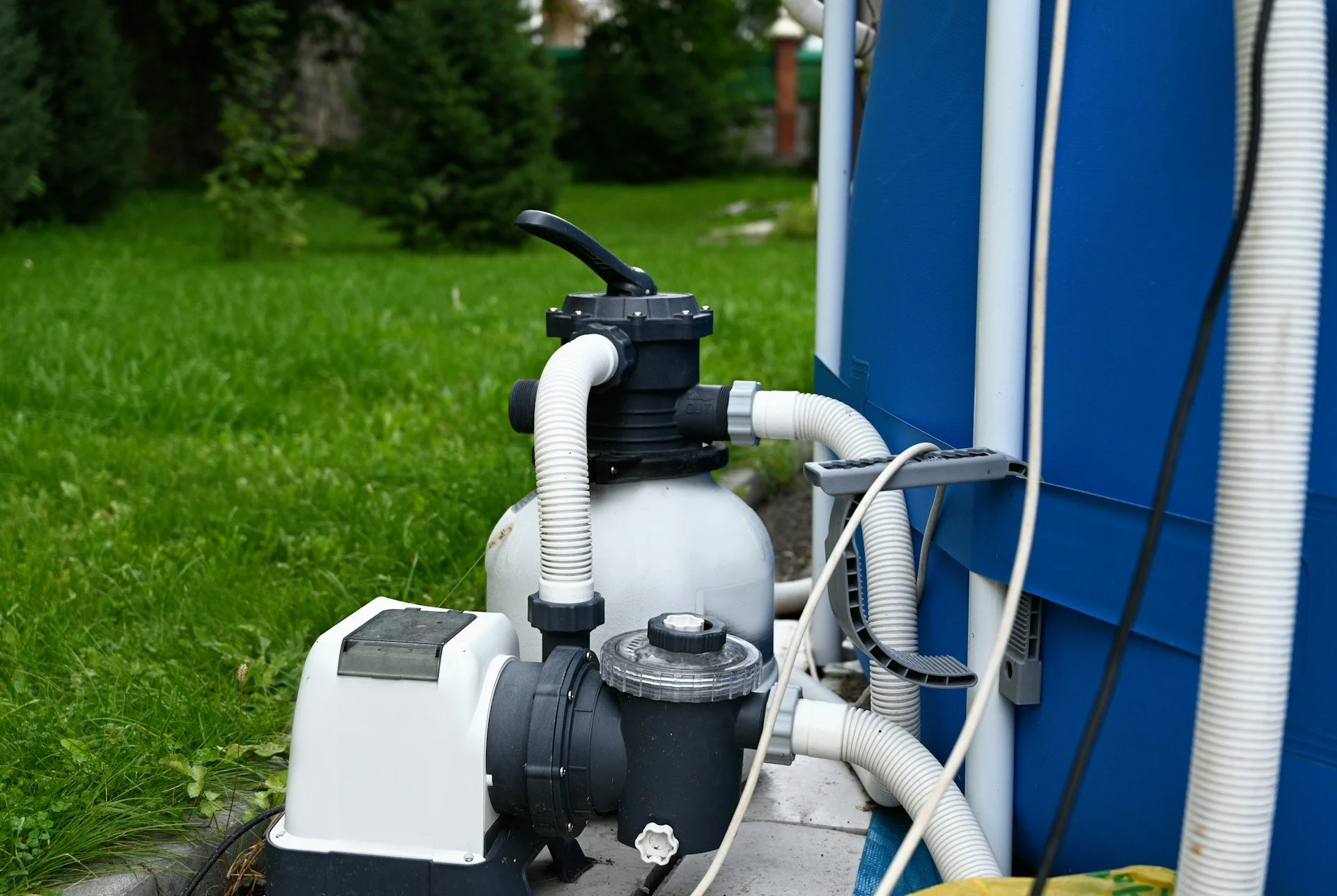
Unique Challenges of Tight Los Angeles Backyards
In many LA neighborhoods, lots are narrow and houses sit close together. That means there is not always an obvious place to put a full equipment pad with a pump, filter, heater, and controls.
A tight yard often means:
Narrow side yards between homes
Short distances to property lines
Limited rear yard depth behind the pool
Those limits affect where your pool pump can sit. You need enough space for:
Safe clearance from walls and fences
Access for service and repairs
Distance from doors and windows
If equipment is crammed into a corner with no thought for access, it can cause big problems later. Technicians may struggle to reach valves or remove a heater. Small mistakes with spacing can also create code issues that show up during inspection.
Noise is another concern. Pump noise travels easily in dense neighborhoods, especially at night when everything else is quiet. A loud pump right under a bedroom window, on your side or a neighbor’s side, can lead to complaints. This is why placement and technology matter. Variable-speed pumps, vibration pads under equipment, and small sound walls or fences can reduce noise without giving up performance.
Existing features on the property also shape the plan. Many homes already have:
Patios or decks
Garages or ADUs
Driveways and walkways
Your equipment location has to work with electrical runs from the main panel, gas lines for heaters, and safe drainage. A good designer treats the yard like a puzzle and finds a spot where plumbing, power, access, and comfort all line up.
Smart Design Strategies for Pool Pump Installation in Los Angeles
When space is at a premium, picking the right pump and layout can make the difference between a cramped corner and a clean, organized equipment zone.
For tight yards, variable-speed pumps are often a strong choice. They are usually quieter than older single-speed models and can run at lower speeds for most of the day. That means less noise and better energy use. It is important to size the pump to match the pool, spa, and any water features. Bigger is not always better, especially in a small yard where extra flow can add noise and stress on the system. High-efficiency pumps also help meet California energy rules, which set standards for pool equipment.
The layout of the equipment pad matters just as much as the pump itself. Smart options include:
Tucking equipment along a side yard, while keeping enough width to walk and work
Placing gear behind a privacy wall or screening fence
Grouping pool equipment near AC units, while still leaving room to access everything
Equipment can be rotated or stacked to shrink the footprint, for example, choosing a vertical filter or a low-profile heater. When we design a pad, we leave clear paths so a technician can pull a filter, replace a heater, or add future upgrades without cutting concrete or moving walls.
Of course, you do not want your new yard to look like a mechanical room. That is why we blend equipment areas into the rest of the design. Options include:
Decorative screens that match fencing or gates
Low walls finished in the same material as the pool or patio
Planting beds that soften views and help break up sound
Done well, visitors should notice the pool, spa, and outdoor living areas, not the pump. The equipment should feel like it belongs, not like it was squeezed in as an afterthought.
Permits, Codes, and Safety in Los Angeles Installations
Pool pump installation in Los Angeles has to follow local building and safety codes. These rules cover things like:
Setbacks from property lines and structures
Bonding and grounding of equipment
GFCI protection for electrical components
California Title 24 energy standards also influence which pumps can be used and how they are controlled. A licensed contractor who works with these rules on a regular basis can help avoid the frustration of failed inspections or last-minute changes.
On the electrical side, safe pool equipment means proper wiring, the correct breaker size, and secure conduit runs that do not create tripping hazards in narrow yards. Plumbing layout matters too. Good design uses the right pipe sizing, valve placement that is easy to reach, and smooth plumbing paths to reduce sharp turns. This helps the pump move water efficiently and reduces wear on the system.
Drainage is a key part of safety and long-term performance. An equipment pad should not sit in a low spot where water collects. Planning for proper slope and drains around the pad protects both the pump and nearby structures from water damage.
During inspections, officials look for safe equipment locations, proper clearances, and correct electrical and gas work. Keeping good records from the start, such as equipment manuals, warranty details, and as-built plans, makes life easier later when you want to add a feature or replace a component. Doing it right the first time supports safer operation, fewer breakdowns, and stronger appeal if you ever decide to sell the home.
Seasonal Timing Tips for Summer-Ready Pool Projects
In Los Angeles, many homeowners start pool projects in mid-summer hoping to enjoy late-summer and fall swims. That timeline can be realistic, but only if planning starts early enough. Permits, possible HOA reviews, and custom design all add time before construction even begins.
A smart approach is to:
Start design work before peak summer
Build in extra time for approvals and inspections
Leave room in the schedule for any changes that come up on site
Heat and sun also affect field work. Concrete needs time to cure, and very hot days can limit when crews can safely work in tight side yards or enclosed spots. Experienced contractors plan ahead so electricians, plumbers, and inspectors can do their work at the right stage without fighting the hottest parts of the day.
The sequence of work matters if you want your pool and yard ready to enjoy together. A typical flow looks like this:
Set equipment and run plumbing and electrical
Complete rough inspections
Finish interior pool surfaces and fill the pool
Start up the pump and balance the water
Finish final hardscape and landscaping
Planting and screening around the equipment should come after the system has been tested. That way, access doors, venting needs, and service clearances remain open. When the schedule is planned well, your pump and equipment are running smoothly right when your backyard is ready for guests.
Turn Your Compact LA Yard Into a Resort-Ready Retreat
A small Los Angeles backyard does not have to limit your pool dreams. With thoughtful pool pump placement, smart equipment choices, and code-aware installation, a tight lot can feel like a private resort. The right plan creates a system that is quiet, efficient, safe, and easy to live with.
At Smart Swim, we focus on the whole outdoor environment, not just the pool shell. By treating the pump and equipment as part of the design, we help homeowners turn compact yards into calm, well-organized outdoor spaces that feel great to use every day.
Get Started With Your Project Today
If you are ready for reliable, efficient pool equipment, our team at Smart Swim is here to help you plan and schedule your pool pump installation in Los Angeles. We take the time to understand your pool’s specific needs so we can recommend the right setup the first time. Reach out today and let us walk you through pricing, timing, and what to expect on installation day, or simply contact us to book your appointment.