

Decoding Pool Shell Installation in Los Angeles Backyards
A strong pool shell is what makes a backyard pool feel safe, solid, and beautiful for years. When the shell is done right, your finishes last longer, your water stays where it should, and your outdoor space feels like a small resort instead of a construction project that never quite feels finished.
In Los Angeles, the shell matters even more. Our hills, soil, and long sunny days all put extra stress on a pool. A well-engineered shell becomes the backbone of the whole outdoor area, from the pool and spa to the patio, fire features, and outdoor kitchen. As designers and builders, we think about how the shell supports not just the pool itself, but the entire resort-style space you want to enjoy every weekend.
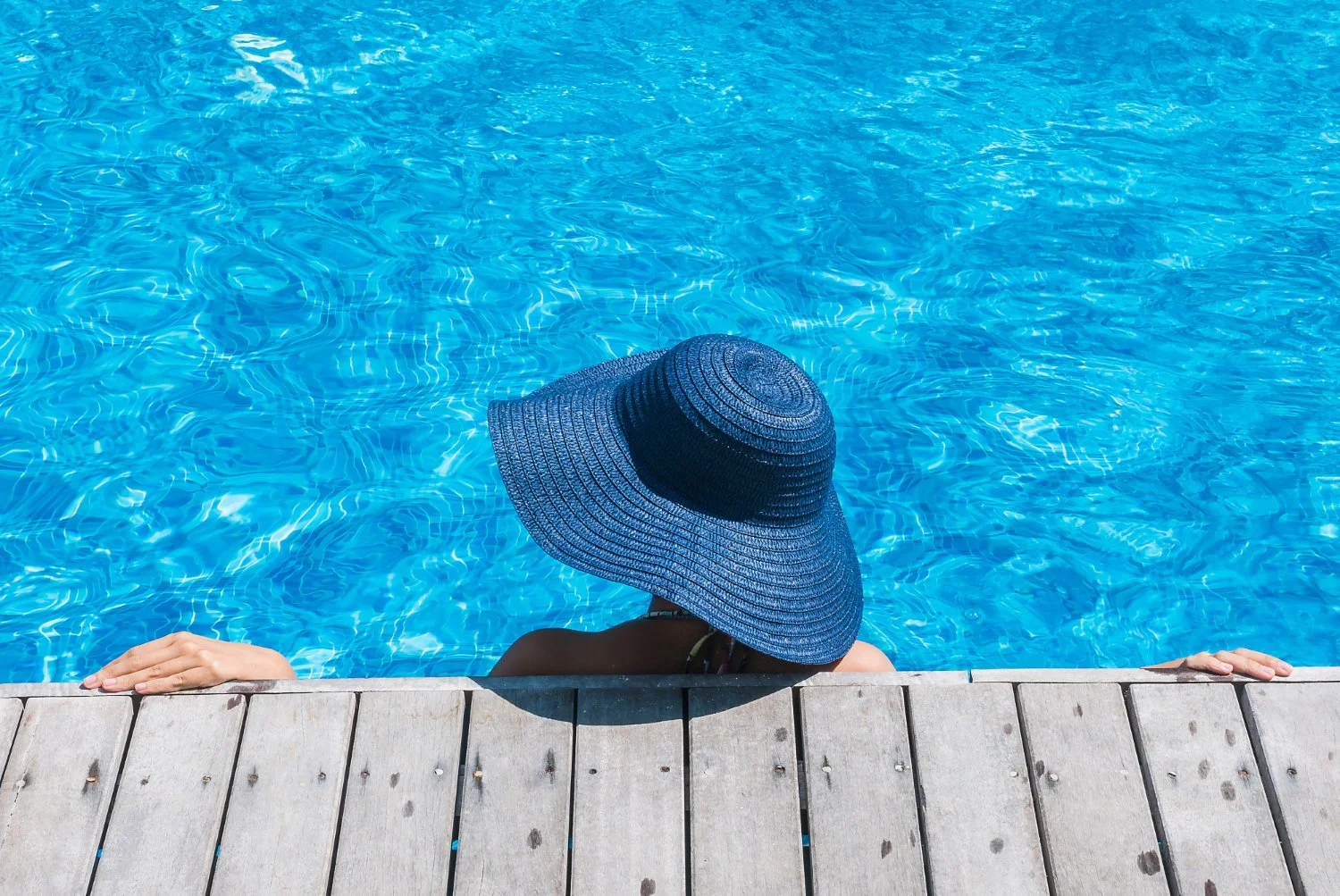
Build a Resort-Style Backyard From the Ground Up
A great backyard does not start with tile or water features. It starts in the ground, with structure. If the shell is strong and designed correctly, everything that comes after has a solid base.
When we design a resort-style space, we look at the pool shell as the main structure that ties the yard together. It affects:
How safe the pool feels under your feet
How well the finishes, tile, and coping hold up
How smoothly the pool connects to decks, patios, and seating areas
In the greater Los Angeles area, lots can be flat, sloped, tight, or wide open. Each type of yard needs its own plan. The shell is where your design vision meets real-world conditions, so the end result is not just pretty, it is strong and long-lasting.
What a Pool Shell Really Is and Why It Matters
Think of the pool shell as the bowl that holds the water and supports everything you see and touch. It is the concrete and steel structure under the plaster, tile, and coping. It also works with your spa, Baja shelf, stairs, benches, and nearby hardscaping.
For most backyard pools in Los Angeles, the shell is built with:
Steel rebar, a grid of steel bars that gives the shell its strength
Shotcrete or gunite, concrete that is sprayed over the steel to form the pool walls and floor
Concrete bond beams and thickened areas where extra support is needed
This structure affects almost every part of pool ownership. A well-built shell helps:
Reduce the risk of cracks in tile and plaster
Support even water depth and smooth walls for easier cleaning
Create a better base for energy-efficient equipment layouts and plumbing
Improve long-term safety for swimmers and people walking around the pool
When the shell is planned with the whole backyard in mind, the final look feels natural and connected instead of patched together.
How LA Soil, Slopes, and Weather Shape Your Pool Shell
Los Angeles backyards are all over the map. Some are cut into hillsides, some are squeezed between buildings, and some have wide open space. Each type of yard changes how we design the shell.
A few local factors matter a lot:
Slopes and hills that may need extra support or retaining walls
Soils that can move or expand when wet
Seismic activity that calls for strong steel design
Drainage paths that must carry water away from the pool and house
Before we recommend any pool shell installation in Los Angeles, we look closely at the site. That often includes reviewing soil information, checking existing structures like walls and patios, and studying how water will move across the yard when it rains or when you backwash the filter. Grading, drainage, and shell structure all need to work together so the pool stays stable and the rest of the yard stays dry and safe.
Step-by-Step Look at Professional Pool Shell Installation
A strong shell comes from a clear process and careful checks along the way. In simple terms, here is how the build usually goes:
1. Layout and excavation
The pool shape is marked in the yard, then the soil is dug out to the correct depth and contour. This is where we set the basic size, depth changes, and steps.
2. Steel rebar framework
Next, a grid of steel rebar is placed along the walls and floor. The spacing, size, and pattern of the steel are designed to handle local soil and site conditions.
3. Plumbing and electrical rough-in
Pipes for circulation, returns, drains, and any water features are laid out, along with conduits for lights and equipment. Good planning here avoids future leaks and awkward repairs.
4. Shotcrete or gunite placement and curing
Concrete is sprayed over the steel frame to form the final shell. The thickness, compaction, and shaping are all checked during placement. Then the shell needs time to cure so it reaches its designed strength.
Quality checkpoints at each stage matter. We look at:
Soil compaction and over-excavation areas
Correct steel overlap and support
Proper pipe placement and depth
Shell thickness and smoothness of walls and floor
Timelines can vary by project size, but many homeowners start construction in late summer so the shell can cure, the finishes can be installed, and the space is ready for the next warm season.
Seamlessly Integrating Spas and Outdoor Living Features
Spas, Baja shelves, and benches should not feel like add-ons. They should be part of the original structure. When they are built into the shell from the start, the risk of cracks and leaks at joints is reduced, and the shapes feel natural and comfortable.
We also think about how the pool will work with:
Surrounding decks and hardscaping
Fire features and seating areas
Outdoor kitchens and dining spaces
Planters and landscape walls
Proper elevations, step heights, and transitions help the whole area feel easy to move through. Structural tie-ins keep patios, retaining elements, and the pool shell working as one unit instead of separate pieces fighting each other over time. That is what gives a backyard a true resort-style feel.
Avoiding Costly Mistakes During Pool Shell Construction
Many long-term problems with pools start in the shell. Some common issues include:
Too little steel or poor steel layout
Soft or loose soil left under the shell
Pipes placed without enough support or spacing
Concrete that is not thick enough or is rushed during curing
Homeowners can ask smart questions to help avoid these problems, such as:
Who does the structural design for the shell?
How are local building and seismic requirements handled?
What inspections are done during steel and shell stages?
How are drainage and retaining needs handled around the pool?
For projects that start in late-summer or fall, it helps to plan around:
Permitting time with local agencies
Inspection schedules
Contractor workload and staging of other outdoor features
A little patience during planning often leads to a pool that feels better, looks better, and lasts longer.
Turn Your Backyard Vision Into a Smart Swim Reality
The pool shell is not the place to cut corners. It is the quiet part of the project that holds everything else together, from the tile and plaster to the spa, Baja shelf, and outdoor living spaces you want to enjoy for years.
As a local Los Angeles builder, we focus on shells that match the site, the soil, and the way you plan to use your backyard. When structure and design work together, your pool becomes more than a place to cool off, it becomes the center of your own private resort, built from the ground up to last.
Get Started With Your Project Today
Bring your vision to life with Smart Swim by choosing our expert pool shell installation in Los Angeles. We take the time to understand your goals so your new pool shell is built to last and tailored to your space. If you are ready to move forward or have questions about your options, contact us and we will walk you through the next steps.